Search Results
3793 results for “Vomiting”
What happens if a dog has worms and is not dewormed?
A dog with worms left untreated may vomit, have diarrhea, poor appetite, and weight loss; external parasites cause severe dermatitis. Worms steal nutrients, weakening the dog and spreading diseases like tapeworms and roundworms. Deworm monthly before adulthood, then every 3 months internally and monthly externally.
What happens if a dog eats hormones?
A dog that eats hormones may become agitated, irritable, or anxious, and its appetite may rise or fall causing weight swings. Hormones can cause fluid retention, edema, or ascites, and some affect the cardiovascular system, causing heart disease. If ingested, induce vomiting at a vet and get checked even after absorption.
What happens if a dog eats too much fish?
Dogs can eat fish; it is rich in protein, minerals, and trace elements that boost health and immunity. But overconsumption of any food causes digestive issues like diarrhea, vomiting, and stomach upset. Some dogs are allergic to fish, showing itchy skin, redness, and hair loss. Feed fish in moderation and watch digestion.
What happens if a cat eats too many calcium tablets?
Too many calcium tablets can disrupt a cat's calcium metabolism, causing indigestion, vomiting, and diarrhea. Severe cases deposit calcium salts in joints, kidneys, and the cardiovascular system, leading to joint pain, kidney dysfunction, and urinary stones. Follow the vet's advice on dosage and watch for any abnormal reaction.
What are the symptoms of intussusception in dogs?
Common signs of intussusception in dogs include severe vomiting, abdominal pain, bloody stool, and an abdominal mass. It often occurs in puppies that eat eagerly, due to fast eating, poor-quality food, or cold water irritating the gut. It may also follow distemper or parvovirus. See a vet promptly for treatment based on severity.
What happens if a hamster eats wood shavings?
Eating wood shavings can cause digestive issues in hamsters such as abdominal pain, vomiting, and poor appetite, even intestinal blockage. Shavings may also carry dust and bacteria that affect respiration and health. If a hamster eats shavings, provide fresh food and water and a clean home to protect its health.
What happens when a cat gets carsick?
A carsick cat shows vomiting, drooling, restlessness, rapid breathing, loss of bowel or bladder control, weakness, and poor spirits, and in extremes may faint. Carsickness affects the cat physically and mentally, so relieve it promptly. Avoid long rides, keep the car ventilated, and reduce odors and stress to ease symptoms.
What happens if a dog often eats chocolate?
Dogs are poisoned by chocolate because it contains theobromine and caffeine, which harm the nervous system and heart. Signs include vomiting, diarrhea, thirst, fast heartbeat, rapid breathing, muscle stiffness, and seizures, and severe cases can be fatal. Keep chocolate away from dogs, and if eaten, rush to a vet for induced vomiting or other treatment.
What happens if a dog eats tomatoes?
Dogs can eat small amounts of cooked tomato in moderation; tomatoes are rich in vitamin C, A, and potassium and benefit health. However, tomatoes contain alkaloids and atropine, and large amounts can cause diarrhea, vomiting, and abnormal heartbeat. If a dog eats many tomatoes, watch it closely and see a vet for any abnormal signs.
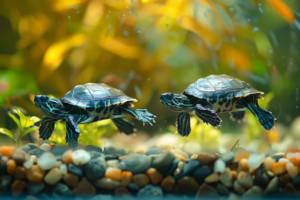
Can Antibiotics Cure Turtle Diarrhea?
Antibiotics can help some cases of turtle diarrhea, but diarrhea is a symptom, not a disease, so using them without finding the cause is risky. Causes range from parasites and gastroenteritis to diet changes and stress. This article explains when antibiotics help and when they do not.