Search Results
2436 results for “Vitamin B”

What Is Stud Tail in Cats and How to Treat It
Stud tail (tail gland hyperplasia) is an oily, acne-like skin condition in cats caused by hormone-driven sebum overproduction—common in intact males. Learn its causes and the treatment approach: neutering, antibiotics, and topical cleaning.
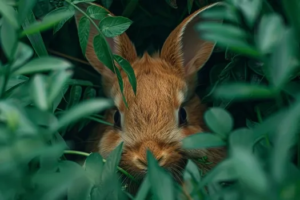
Solutions for a Rabbit With Poor Appetite
Persistent poor appetite in rabbits often comes from food monotony, nutritional deficiency, a dirty environment, or heat. Practical fixes include a varied diet with hay and veggies, nutritional supplements, regular disinfection, and summer cooling.

Feline Rhinotracheitis (Cat Flu): Symptoms and Treatment
Feline rhinotracheitis, also called infectious rhinotracheitis, is a highly contagious herpesvirus infection causing fever, sneezing, eye discharge, and sometimes death—especially in kittens. This article covers its causes, symptoms, medication-based treatment, and vaccine prevention.

Symptoms and Treatment of Seizures (Epilepsy) in Cats and Dogs
Epilepsy is a central nervous system disorder where overactive brain neurons cause abnormal function and seizures—convulsions, loss of consciousness, behavior changes. It is intermittent with many causes; treatment aims to reduce seizure frequency. This article covers types, symptoms, and management.
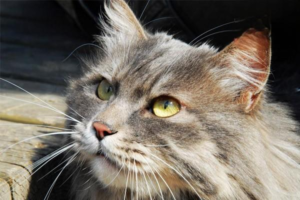
Why Cat Folliculitis Keeps Recurring
Recurring cat folliculitis is usually tied to diet and endocrine issues, or stopping medication too early. This article covers the causes and prevention.

Symptoms and Treatment of Rabbit Conjunctivitis
Rabbit conjunctivitis comes from dirty housing, dust, bacteria, or vitamin A deficiency. Symptoms: red, swollen corners, tearing, congestion, white pus; severe cases blind. Treatment is consistent eye cleaning and drops until recovery.

White Discharge from a Rabbit’s Eyes
White discharge that isn't debris signals a problem—often the third eyelid protruding from conjunctivitis. Prompt cleaning and eye drops are needed.

Medications and Care for Common Pet Injuries: Fractures, Sprains, Burns, and Wound Infections
Pets can suffer fractures, sprains, burns, bee stings, snake bites, and wound infections, especially outdoors. Prompt first aid prevents infection and permanent damage. This article covers causes, symptoms, and the medications for each.

What to Do When a Cat’s Tail Folliculitis Causes Heavy Shedding
Tail folliculitis in cats, also called 'stud tail,' causes hair loss and redness from overactive sebaceous glands. Treatment means adjusting diet, cleaning, medicated baths, and sometimes neutering. Once the folliculitis clears, the hair grows back.

Common Food and Drug Poisoning in Cats and Dogs: Symptoms and Treatment
Poisoning in pets is uncommon but dangerous. It falls into food poisoning (bacterial, fungal, toxic plants, chemicals, and human foods like onions, chocolate, macadamia) and drug poisoning (aspirin, ibuprofen, acetaminophen, vitamin D, ivermectin). This article covers the symptoms and what to do.