Search Results
2436 results for “Vitamin B”

Patellar Luxation in Small Breed Dogs
Patellar luxation is one of the most common orthopedic issues in dogs, most common in small breeds — especially tiny dogs like Teddy, Pomeranian, and Yorkie, which very easily have congenital or acquired patellar problems. In recent years, medium and large breeds also show a rising trend. Do not underestimate it; severe cases can cause paralysis and disability.

Can Dogs Eat Eggs, Raw or Cooked
Today let's learn how dogs should eat eggs. The high protein in eggs helps a dog maintain a healthy weight. Calcium, phosphorus, and vitamin D in the yolk are essential for adult dog bone growth.

Should You Really Be Feeding Your Dog Oranges?
Today we look at whether dogs can eat oranges at all.

Symptoms of Kidney Disease in Dogs
Canine nephritis is a serious bilateral glomerular inflammation from infection and allergic reaction. Signs include low mood, fever, vomiting, frequent or bloody urine, edema, and uremia; strict care and vet treatment are needed.

Symptoms of Rickets in Dogs
Canine rickets is a metabolic disease in puppies from lack of vitamin D and calcium, showing bone deformity, odd gait, and swollen joints; most common at 1-3 months. Sun, diet, and calcium/vitamin D supplements prevent and treat it.

Can Dogs Eat Pumpkin?
Owners misunderstand pumpkin. Some say it causes diarrhea; others say it's fine. Here's the real answer.

Dog Mite Infestation: Symptoms and Treatment
Canine mange is a parasitic skin disease causing intense itch and eczema, from three mites - sarcoptic, ear, and demodectic. Build skin immunity with vitamins; treat by killing mites and disinfecting the environment.

Can Dogs Eat Sweet Potatoes?
Sweet potatoes are cheap and nutritious. In any DIY dog-food recipe you'll see them - boiled or dried, they're essential. Most commercial foods contain them too, as an important carb source.
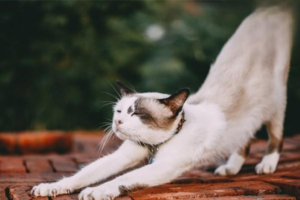
What Is Chronic Diarrhea in Cats?
Chronic diarrhea in cats causes weight loss, slack anus, weakness and dull coat; it is usually chronic gastroenteritis from irregular or greasy diet. Below we explain symptoms and treatment.

How to Get a Dog That Won’t Drink Water to Drink
Water is essential for a dog's normal physiology and metabolism. Both humans and dogs need lots daily. Water is over 60% of an adult dog's weight, about 80% of a puppy's. Lack of water causes stalled digestion, constipation, trapped toxins reabsorbed, severe gut damage, and long-term stones and disease.