Search Results
2444 results for “Vitamin B”

Why Do Koi Get Enteritis?
Koi enteritis has many triggers: poor water quality, temperatures that are too high or low, malnutrition, dirty food, and viral or parasitic infection. Good pond management is the first line of defense—keep water clean and the temperature stable, feed a varied, hygienic diet, and test the water and control disease regularly. If a koi does develop enteritis, act fast: fix the water, use antibiotics or anti-inflammatory drugs as a vet advises, and adjust the diet to support recovery.

Can Cats Eat a Vegetarian Diet Long-Term?
A long-term vegetarian diet is not safe for cats and can seriously harm their health. Cats are obligate carnivores whose digestive systems are built to process meat, and they need nutrients—above all taurine—that only animal protein supplies. Without meat, cats develop nutritional imbalances, poor coats, weak immunity, diarrhea, and vomiting, plus shortages of vitamin A, D, calcium, and phosphorus that hurt vision and bones. For your cat's health, feed a science-based diet with enough animal protein.

Is Terbinafine Spray Effective for Cat Ringworm?
Terbinafine spray is a first-line antifungal and does help mild, surface ringworm—but it can't reach deep follicles, so it won't cure every case and shouldn't be used long-term. For larger or deep infections, combine it with medicated baths and oral antifungals under veterinary guidance. Clip, disinfect, and protect the skin, and always confirm the diagnosis first.

What to Feed a Cat with Poor Liver Function (and What to Avoid)
When a cat's liver is struggling, feed low-burden, high-nutrition food: lean, low-copper proteins (chicken or duck breast), omega-3-rich fish (salmon, cod, sardine), and vitamin-packed vegetables (broccoli, carrot, spinach, pumpkin, blueberry) that aid cell repair. Veterinary liver-prescription diets and a milk-thistle or moringa liver supplement add targeted support. Avoid copper-heavy foods (organ meat, shellfish), high-fat and fried items, sugary or salty treats, and fatty snack packets. Feed small, frequent meals, keep water available, and transition foods gradually. Diet alone is supportive—pair it with a vet's diagnosis and treatment plan.

How Long Can a Cat with Dementia Live?
Feline dementia (Cognitive Dysfunction Syndrome) does not kill directly, but its complications shorten life. Mild cases (occasional confusion, sleep disruption) often live 3–5 more years with good care; moderate-to-severe cases (loss of self-care, refusal to eat, disorientation) may survive only 2–3 years; if chronic kidney or heart disease is also present, just 1–2 years. Japanese clinical data show cognitive training and a stable environment can extend life by 47%. Watch for the DISH signs—Disorientation, Interactions lost, Sleep flips, House-soiling—and support the cat with a low-stimulus home, short brain games, and targeted nutrition.

How to Prevent Seizures After a Puppy Recovers from Distemper
Seizures can appear even after a distemper test turns negative because the virus is neurotropic—central-nervous-system damage and lingering inflammation may already be set. Prevention rests on three pillars: ease neuroinflammation, protect and repair nerve tissue, and avoid triggers. Nerve-support supplements (B vitamins, fish oil, citicoline, mecobalamin) help, and high-risk puppies may need low-dose long-term anti-seizure medication under a vet's supervision. Keep the environment calm and warm, skip baths during recovery, and feed highly digestible food with vitamin E, selenium, and lecithin. Learn the early warnings—repeated nodding, limb tremors, circling—so you can act before a full seizure.
Can a Chinchilla Eat Only Alfalfa Hay?
Feeding a chinchilla only alfalfa long-term leads to poor nutrition and health problems. Chinchillas are omnivores that need variety—grass hay, dried fruit, nuts, vegetables, and fruit—to meet all their needs. Needs also change with age: youngsters need more protein and calcium for fast growth, while adults need high-fiber hay to aid digestion and wear their teeth. Use alfalfa mainly for juveniles and shift adults toward timothy hay.

What to Do When Your Hamster Has Eye Inflammation
Hamster eye inflammation is usually conjunctivitis—redness, itching, and tearing, with sticky discharge in the corner of the eye and, in severe cases, poor appetite and low energy. It is treated with antibiotic eye drops containing lysozyme, oxytetracycline, or tylosin, used 2–5 times daily for 5–7 days after wiping away discharge with saline. Keep the cage clean and draft-free, clean the eyes daily, boost nutrition, and fit a cardboard e-collar if your hamster keeps scratching. If there's no improvement after a few days, see a vet.

What to Do If Your Rabbit’s Fur Turns Yellow
Yellow fur in rabbits can signal poor nutrition, too little sunlight, skipped grooming, illness, or simply urine staining. Because the cause varies, judge by the situation. Feed a balanced diet of fresh grass, vegetables, and quality pellets; give a few hours of gentle outdoor sun (avoid midday heat); brush regularly with a soft comb and use a rabbit-safe shampoo only when needed; and keep the cage clean and dry so urine doesn't stain. If yellowing comes with other symptoms, see a vet for parasites or infection. With diet, light, grooming, and checkups, the coat can recover its healthy shine.
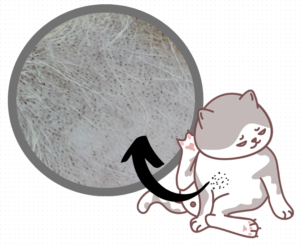
What Are the Black Dots on My Cat’s Skin?
Those little black specks on your cat's chin, tail, or belly are usually the early sign of folliculitis—clogged, infected hair follicles that look like human blackheads. It is common, mild, and very treatable with gentle local cleaning, a lighter diet, and a few daily-habit tweaks. Here is how to recognize it and clear it up.