Search Results
2439 results for “Vitamin B”

Common Parrot Eye Diseases and Treatment
Parrots commonly face keratitis, conjunctivitis, and cataracts. Keratitis ranges from surface scratches (tearing, light sensitivity) to deep or penetrating wounds threatening sight, treated by removing debris and antibiotic drops in dim light. Conjunctivitis from injury, vitamin lack, or infection needs boric-acid rinses and chloramphenicol; cataracts need surgery, so prevent with good hygiene and peace.

Rabbit Stress: Causes, Signs, and How to Avoid It
Rabbits are timid and sharp-eared, so strong or repeated shocks can stress them severely, even fatally. Causes include changed water or feed, weather, noise, light, moves, and strangers; signs are raised pulse and breathing, restlessness or hiding, refusing food, and does crushing or rejecting kits. Avoid stress with steady routines, fixed light, temperature control, quiet, and gradual feed changes.

Rabbit Mycotoxin Poisoning: Symptoms and Control
Mycotoxin poisoning in rabbits comes from moldy feed, peaks in hot humid summer, and hits lactating does hardest with no contagion and poor drug response. Acute signs are appetite loss, irregular stools, staggering, and death in 2 to 4 days. Prevent it with strict feed storage and anti-mold additives, and treat by stopping the moldy feed and giving glucose, vitamins, and antifungal drugs.
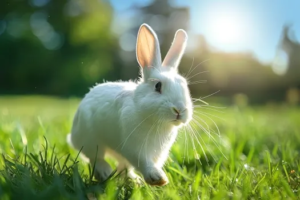
Rabbit Hairball Disease: Causes and Treatment
Hairball disease, common in long-haired rabbits, comes from swallowing too much fur and blocks the gut with constipation, bloating, and sometimes death. Causes range from cramped cages and poor diet to vitamin or mineral gaps and skin disease. Prevent it with full-ratio feed, isolation of fur-eaters, and regular grooming; treat with vegetable oil and enzyme tablets to pass the mass.

A Turtle’s Main Nutritional Needs
A turtle needs protein, fat, carbohydrates, minerals and vitamins; a lack of any stalls growth, causes disease and can be fatal. Protein demand falls with age (hatchling > juvenile > breeder > adult) and must be animal-based; fat carries vitamins A/D/E/K but rancidizes if not stored cold and sealed; starch is best around 22.7–25.3%. Captive turtles also need added calcium, phosphorus and a complex vitamin mix.

4 Common Mistakes When Walking Your Dog
Daily walks help a dog's health, but the wrong approach causes harm. Always use a leash, avoid walking in high heat, keep the dog at your side rather than letting it lead, and limit time in grass and bushes where ticks and parasites lurk. Regular deworming and bathing also protect against external parasites.

Common Guinea Pig Diseases and Treatments
Guinea pigs are cute and gentle, but they still need disease prevention to stay healthy and live longer. Here are the common guinea pig illnesses and how to treat them.
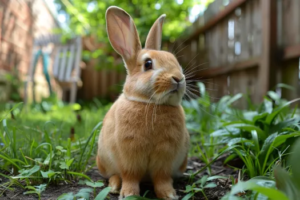
Causes and Treatment of Ringworm in Rabbits
Ringworm in rabbits is closely linked to poor physical condition. A dirty, damp living space and a lack of proper nutrition weaken the rabbit and lead to fungal infection. Here is how to treat rabbit ringworm.

Cat Sinusitis: Causes, Symptoms, and Treatment
Cat sinusitis is common, usually from bacteria, viruses, fungi, or irritants, causing sneezing, nasal discharge, congestion, breathing trouble, snoring, red watery eyes, poor appetite, and lethargy. Severe cases show blood-tinged, foul-smelling discharge and may lead to brain complications. Treatment depends on cause and severity: bacterial cases need antibiotics, viral cases antivirals, plus nasal flushing and a cleaner environment.

What Happens When a Dog Lacks Calcium?
Calcium deficiency in dogs can cause serious problems, from poor appetite and a dull, rough coat to weak limbs and stunted bone development. Read on to learn the risks of calcium deficiency and how to supplement your dog properly.