Search Results
2439 results for “Vitamin B”

How to Feed a Guinea Pig at Different Life Stages
A guinea pig's nutritional needs change with age, so feeding differs for babies, adults, and seniors. Babies nurse and wean around 15–20 days; adults eat mostly grass with measured pellets and vegetables; seniors need soft, nutrient-dense food plus vitamin C. This guide breaks down the diet for each stage.
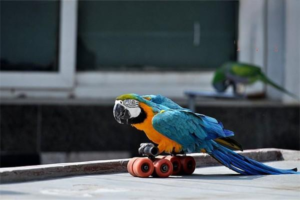
Why Does a Parrot Get Scabs on Its Face and What to Do
Scabby patches on a parrot's face usually mean a scaly-mite (Knemidokoptes) infection, which can be life-threatening if severe. Treat by applying white petroleum jelly to suffocate the mites, soften thick crusts first, and support recovery with vitamins and a clean, dry environment.

Parrot Pneumonia: Symptoms and Treatment
Parrot pneumonia often follows untreated colds or arises from dirty, pathogen-heavy environments. Signs include lethargy, loss of appetite, breathing difficulty, and shivering. Treatment focuses on warmth (22-25 C), clean housing, supportive care, and antibiotics such as gentamicin for serious cases.

What Do Newborn Hamsters Eat? How to Care for Baby Hamsters
Newborn hamsters depend entirely on their mother's milk and are usually weaned at around four to five weeks of age. Once their eyes open you can introduce easily digestible hamster food, and by four weeks they should be separated from the mother to prevent stress and aggression. Avoid spicy foods and fruit pits, which can be toxic to hamsters.

Common Arowana Skin Diseases and Their Prevention
Common arowana skin diseases include scale melting, slime-coat shedding, and fin/tail rot—most stemming from poor water quality. Improve water and add aquarium vitamins for scale melting; use Japanese yellow powder for slime-coat loss; and rely on the 'old three' (heat, salt, water change) or medication for fin/tail rot.

Why Do Arowana Refuse to Eat?
Arowana may refuse food for many reasons—poor water quality, fright, temperature swings, environmental change, illness, improper feeding, or internal parasites. If the fish is otherwise active, refusal alone isn't alarming. Key fixes: stabilize pH (6–7.5), avoid sudden changes, and treat any underlying disease.
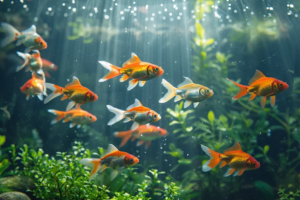
Symptoms and Treatment of Arowana Pinecone Disease
Arowana pinecone disease (raised scales), also called 'arowana cold,' is often triggered by large temperature swings during seasonal changes. Early signs are darkening, rough skin, and scales protruding outward; severe cases show swollen scale sacs with bloody fluid and ascites. Treatment starts with raising the temperature 1–2°C, adding salt (0.6–1%), and partial water changes; medication is added if no improvement.

Common Parrot Eye Diseases and Their Treatments
Parrots commonly develop keratitis, conjunctivitis, and cataracts, usually from cage scratches, injury, infection, or nutrition gaps. Most are manageable with prompt cleaning, antibiotic drops, or surgery for cataracts, but prevention through a clean environment is best.

What to Do When Your Dog’s Coat Is Dry and Dull
A dry, dull, or matted coat is often tied to diet, lack of sunlight, parasites, grooming habits, and a dirty environment. Improving it comes down to a low-salt diet with protein and vitamins, moderate sun and exercise, monthly parasite control, season-appropriate bathing, and keeping the living space clean and dry.
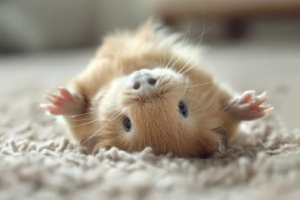
Common Guinea Pig Diseases and How to Prevent and Treat Them
Coccidiosis, colds, and diarrhea are among the most common health problems in guinea pigs, and owners should focus on preventing them. This guide outlines practical prevention and treatment measures for these frequent guinea pig illnesses, from medication and wound care to daily hygiene checks.