Search Results
2436 results for “Vitamin B”
What causes my dog’s hair loss and how do I treat it?
Based on the signs, your dog's hair loss is most likely from a fungal, bacterial, or mite skin infection. Have a vet do a skin scraping to confirm the cause, then treat accordingly: antifungal medicated baths and sprays for fungus, antibacterial sprays and vitamin B for bacteria, and external parasite treatment for mites. Disinfect the environment to stop reinfection.

What to Feed a Cat With Bad Breath
Cat bad breath improves through diet, oral care, and vet care when needed: feed high-quality food with antioxidants, enzymes, and prebiotics; limit table scraps and long-term wet food; use dental chews, vitamin B, plenty of water, and probiotics; brush regularly and see a vet if it persists.
Can a cat’s lip ulcer heal on its own?
Cat lip ulcers usually do not heal by themselves. Use a pet oral spray promptly, and see a vet if severe to rule out herpes or calicivirus. Causes include vitamin B deficiency and stomatitis; keep the mouth and bowls clean.

What to Feed a Cat With Anemia
Anemic cats benefit from iron- and protein-rich foods, red meats such as beef, lamb, and salmon, organ meats like chicken, duck, or pork liver, and seafood such as tuna, shrimp, and mackerel, plus vitamin B12 and folic acid to support red-blood-cell production. For severe anemia, vet-prescribed iron supplements or liver-support tonics may be needed.
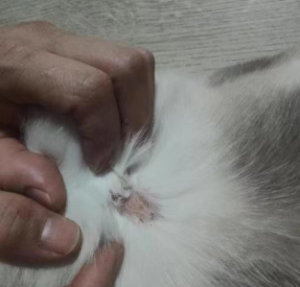
A Cat Ringworm Case: Diagnosis and Treatment
A 5-month Ragdoll with an oval bald patch, scales, and mild crusting on the neck turned out to be ringworm—confirmed by a Wood's lamp and typical signs. Treated with fur-clipping, cleaning, an antifungal spray and ointment, vitamin B, and an E-collar, he improved within a week. The case shows why vet confirmation and full-course treatment matter.

Chinchilla Twitching: Causes and How to Respond
Occasional mild twitching or trembling in a chinchilla can be perfectly normal—chinchillas often flick their faces to sense air currents and check for danger. However, repeated or severe twitching may point to a nutritional imbalance, chronic stress, or an underlying illness. Calcium or vitamin B1 deficiency, loud or bright stressful environments, and conditions such as liver disease, diabetes, epilepsy, or poisoning can all trigger muscle spasms. Because twitching can be an early warning sign, owners should observe their pet closely and seek veterinary care if the behavior is frequent or comes with other symptoms. A balanced diet, a calm and comfortable habitat, and stable temperatures are the best preventive measures.

What to Do About Dog Bad Breath
Two common, fixable causes of dog breath are diet-related. A lack of vitamin B can cause odor - add cooked carrot and cauliflower, or a nutrition paste, to the food. Irregular feeding makes digestion poor; a hungry dog bolts its meal, food sits and ferments, and the smell rises from gut to mouth. The fix is simple: control portions and do not overfeed, so the stomach is not overloaded.
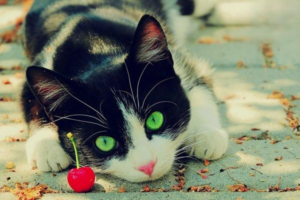
Why Your Cat’s Paw Pads Are Peeling
Peeling paw pads can be as simple as low vitamin B, dry weather, or rough litter, or as serious as a bacterial or fungal skin infection. Most cases improve with water, a little balm, and softer litter, but itching, hair loss, or scabs mean a vet check. This guide covers the common causes and what to do.

Six Essential Nutrients for Cats
Beyond water, cats need six nutrients from food, working together. Protein (best from meat, fish, eggs, organs) builds and repairs tissue; fat stores energy and carries vitamins. Never feed raw fish or meat: raw fish destroys vitamin B1, causing fits and shock, and both risk parasites and liver disease. Choose balanced quality food with egg yolk and chondroitin.

How Should Dogs Eat Carrots?
Carrots are a great low-calorie treat for dogs—100 g has only 32 kcal and good palatability, so even a dog on a diet can learn to love them. They are rich in antioxidants alpha- and beta-carotene, which convert to vitamin A, potassium, fiber, and other nutrients. Vitamin A aids vision (especially in senior dogs), immunity, and skin health; vitamin B6 helps turn carbs, fat, and protein into energy; and the high fiber supports healthy digestion and stools. One rule: never feed raw carrots—dogs can't absorb the vitamin A in raw carrots, so it is wasted. Cook them: steaming is best (boiling works too), because breaking the cell walls makes nutrients easier to absorb. You do not need to fry them in oil; carotene is fat-soluble, but absorption happens in the intestine, so any fat already in the meal is enough. Feed in moderation based on size and digestion—a Yorkshire Terrier needs only about 1–2 thin slices a day.