Search Results
7 results for “UV sterilizer”
Are aquarium UV sterilizer lights actually useful?
UV sterilizers kill bacteria and curb algae, but should not run constantly as they also harm beneficial bacteria and the tank ecosystem. Use 2-3 times weekly, or rely on water changes instead.

Why Did My Aquarium Water Turn White? What to Do
Milky water is usually biological (from overfeeding, unsterilized live food, or poor cleaning letting protozoa boom) or limestone turbidity (from unwashed gravel shedding lime). It clouds the tank, presses out beneficial nitrifying bacteria, stresses fish, and can smell. Fix it by more frequent water changes and cleaning, a UV sterilizer, stronger filter media, added beneficial and nitrifying bacteria or enzymes, and for lime, dilute with water changes, use potassium fertilizer, or add a clarifier and siphon the settled matter.

What Lighting Systems Do You Need for an Aquarium?
Fish need daily light for healthy growth, so every tank needs a lighting system. Common options are fluorescent (cheap, low-heat, for low/medium light), compact energy-saving lamps (mini tanks), halogen (focused beam, large planted tanks), and UV sterilizer lamps that kill bacteria physically without secondary pollution—run them 5–6 hours every 2–3 days and never look directly at them.
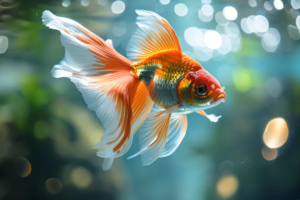
What to Do When Your Fish Tank Water Turns Green
Many fish keepers have seen their tank water turn green. This is usually caused by an overgrowth of green and brown algae, which crowds out plants and fish, absorbs oxygen, and can even release toxins. Here is how to fix it for good.
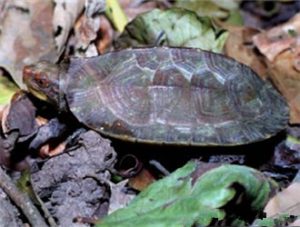
Cochin Forest Cane Turtle
The Cochin Forest Cane Turtle (Vijayachelys silvatica) is a rare, semi-aquatic turtle from the forested hills of southern India above 300 m. Secretive and burrowing, it is seldom seen in trade and hard to keep.

Black Arowana
The Black Arowana is a South American freshwater predator from the Amazon and Guyana, born with two long barbels and flowing fins. Aggressive and best kept alone in a covered tank over 120 cm, it needs 24–28°C soft water and a meaty diet of live foods. Watch for white spot and tail rot.

Malayan Golden Arawana
The Malayan Golden Arawana (Crossback Golden Arowana) is a prized Asian arowana from the Malay Peninsula whose gold scale frames extend all the way up the back. A large, skittish carnivorous fish, it needs a quiet, covered tank over 120 cm long and a meaty diet of live foods.