Search Results
736 results for “Trust”
How many owners does a German Shepherd bond with in its lifetime?
A German Shepherd typically bonds to just one person for life, remembering their scent and voice. Abuse or abandonment breaks that trust, and rebuilding it takes great patience and love.
Are You a Qualified Cat Owner? Take the Quiz
Wondering if you're a qualified cat owner? Try this 20-question basics quiz — covering water, safe plants, slow blinks, scratching furniture, normal temperature, spay timing, and deworming frequency — then check your score against the tiers from 'novice' to 'top-tier owner.'
What Does It Mean When a Stray Cat Rubs Against You?
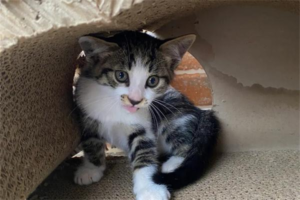
A stray cat rubbing on you usually signals affection and trust — but it may also be seeking food, help, a home, or even 'claiming' you. Strays lack steady food, so they approach friendly people for a meal. Some were once pets and still hope to be adopted. Stay cautious: keep distance to avoid bites, watch for illness, and if you take one in, get a vet check, vaccines, and deworming.

How to Train Your Dog to Heel and Walk Beside You
Train heelwork in stages: build trust at home, practice with a short leash and a 'stay' cue, then teach a reliable recall before moving outdoors. Keep the leash short, reward good behavior, and stay patient—a solid heel keeps your dog safe around traffic and strangers.

Is Pet Insurance Worth It?
Pet insurance is worth considering: vet bills are high, and a plan cushions the cost of accidents, illness, and even third-party liability if your pet harms someone. Shop around for coverage limits, claim scope, and network clinics so you don't get stuck with denied claims.
How can you tell if a chinchilla has bonded with its owner?
A chinchilla that has bonded with you will approach willingly, tolerate handling without biting, respond to its name, and feel safe eating in your presence or from your hand. Timid by nature, such trust is a clear sign of attachment.

Why Won’t Your Cat Bond With You?
A cat may stay distant by nature (some are independent), from past harm that bred mistrust, from discomfort or pain, or from being forced or controlled too harshly. Respect its space, interact gently and naturally, and it may slowly warm up; a sudden aggressive turn in a once-affectionate cat signals illness — see a vet.

Why Does Your Dog Sniff Your Crotch?
Dogs identify you by smell, and the groin carries your strongest scent — letting them confirm who you are and read your health and mood. In the wild, dogs sniff each other's scent to bond and share info; sniffing you is a 'hello' and a sign of trust or seeking security. It's normal — if it bothers you, train and redirect to other greetings.
What to Do If Your Cat Has a Difficult Temperament
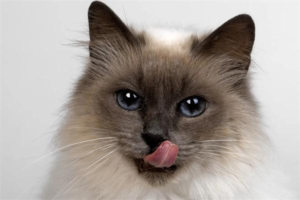
A grumpy cat may be unmet in its needs or physically uncomfortable; neglect, poor diet, or illness all show as bad mood. Find the cause first. Build a calm, stable home, spend daily time playing and bonding, meet its physical and emotional needs, and be patient through heat or pregnancy — most cats warm up with steady, gentle care.

What Are the Signs That a Cat Is Sad?
Sad cats often show it through loss of appetite, hiding, watery eyes, over- or under-grooming, and poor sleep. Comfort them by respecting their space, offering a safe retreat, and engaging in calm, low-pressure interaction.