Search Results
736 results for “Trust”
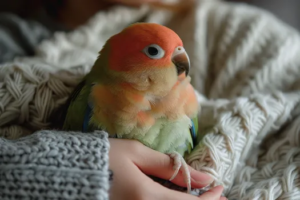
Why Has My Cockatiel Suddenly Turned Aggressive?
A normally sweet cockatiel can turn suddenly aggressive because of illness, a change in surroundings, loneliness, lack of exercise, the breeding season, or simply a moody temperament. Observe closely, keep the environment stable, and see a vet if other symptoms appear.
What do cat sleeping positions mean?
Side-lying means relaxed and trusting. Sitting or crouched is a light doze, alert and insecure. Belly-up shows no defense and full trust in you. Curled up means insecure or cold.
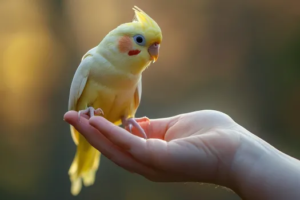
What Is a Cockatiel’s Personality Like?
Cockatiels are smart, playful, and affectionate, but also highly sensitive to routine and can turn moody or nippy when stressed. They thrive on steady schedules, daily interaction, and positive training.
Do cats hold grudges?
Cats generally do not hold grudges; their memory is short and they soon forget, so they may repeat mistakes. Owners may mistake this for revenge, but it is not. However, long-term scolding or hitting can make a cat retaliate, with accidents, furniture damage, refusal of touch, even aggression. Avoid hitting or scolding, or you lose the cat's trust.
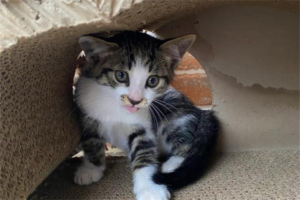
Do Stray Cats Recognize the People Who Feed Them?
Stray cats recognize their feeders through sight, smell, and sound. They remember a person's appearance, voice, and scent after repeated, kind contact, and can grow emotionally attached. Feed gently from a distance — but avoid fixed-spot feeding, which erodes their survival skills.
What are a healthy cat’s sleeping positions?
Healthy cats sleep curled up with the face tucked (cold), on their side (hot, to shed heat), or belly-up (fully trusting). These are all normal, comfortable poses.
How can I tell if my cat is healthy from its sleeping posture?
Normal, healthy cats curl up with the face tucked to the belly (cold), lie on their side (hot), or lie belly-up (trusting). A 'hen-squat' posture, especially with belly discomfort, signals illness and needs a vet check.

Do Cats Hold Grudges? (They Probably Don’t)
Cats don't hold grudges—their memory is survival-oriented (short-term ~10–15 minutes; long-term only 'reward/punishment' links for danger avoidance). 'Revenge' acts like peeing on the bed are fear/stress responses or scent-marking for security, not spite. Keep trust with gentle handling and treats; if stressed, use pheromones and give space.
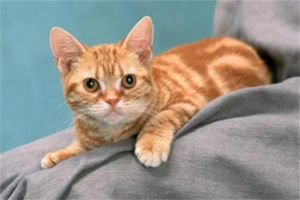
Why Does Your Cat Like to Sleep on You?
Cats sleep on you for warmth and safety (their wild ancestors sought sheltered warmth), to bond and show trust, and for comfort when anxious. The closeness even releases endorphins in you—but cats can carry parasites and bacteria, so deworm routinely, wash bedding often, and bathe the cat.

What to Do If Your Cockatiel Is Afraid of People
A fearful cockatiel needs a safe, roomy cage and a calm, predictable routine. Offer favorite foods by hand, talk and sing near it, and set regular interaction times so it slowly learns to trust you.