Search Results
736 results for “Trust”

How to Raise a Gentle, Friendly Cat
A cat's temperament is shaped by several factors: its mother's example, the owner's daily handling, its health, and how safely it settles into a new home. Earn trust with gentle interaction, regular play, and a calm approach — even a naturally aloof cat can become a happy companion.

Cat Staples: A Guide to Dry Cat Food
Dry kibble is the most common cat staple, but today's market also offers low-temperature baked and air-dried foods that retain more nutrition. Choose based on your cat's digestion and your budget, aiming for 35–40%+ animal protein, clear ingredients, and a trustworthy brand.

Why Does Your Cat Show You Its Belly?
When a cat rolls onto its back and exposes the belly, it's offering its most vulnerable point — a sign of complete trust and relaxation, not an open invitation to a rub. Watch the cues (a fixed stare or quick tail-flicks mean stop), and note that an unspayed female flashing her belly may simply be in heat.

Reading the Signals Your Dog Uses to Communicate
Dogs can't speak, but they signal a wish to connect through barking with a wagging tail, tugging your pant leg, or locking eyes on you. Learning these cues helps you meet your dog's needs and deepen the bond.

Are Cats Really Impossible to Bond With?
An Oregon study found over half of cats chose their owner over food or toys, and a cat that seems aloof still shows love through kneading, head-butts, belly displays, and following you everywhere. Cats that were stray before three months may stay wary, but 'untamable' is a myth — often it's the person who fails to connect.

What to Do When Your Cat Is Not Affectionate
A cat's aloofness is shaped far more by its socialization period than by genes. Kittens that miss gentle, trusting contact with people between roughly 2 and 12 weeks — or that had a bad experience then — grow up wary. There is no quick fix; rebuilding trust is slow, especially over a difficult kittenhood, so focus on steady care, routine, and calming aids like music or pheromones.

Why Cats Feel Fear and Anxiety
A cat's fear and anxiety are learned, not innate, and come from strangers, new pets, sudden movements, loud noises, leaving home, and especially punishment. Socialize kittens before 11–12 weeks, introduce new animals slowly through scent, avoid startling play, cushion noise, and replace scolding with trust-building to keep a cat confident.

Is It Normal for a Cat to Sleep on Its Back?
Sleeping on its back is perfectly normal and is one of a cat's many poses; it usually means the cat feels completely safe and trusts its surroundings, since the belly is its most vulnerable spot, and it can also be a way to cool off through the sweat glands on the paws and face. Other common postures — curled up, on the side, or front paws tucked — each signal a different level of relaxation or wariness, so watching how a cat sleeps tells you how secure it feels.
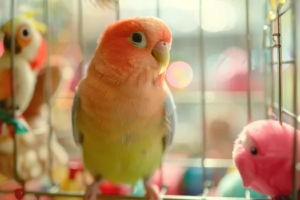
How to Train a Parrot to Talk: Methods and Tips
Teaching a parrot to talk is built on a real bond, the right timing, and patience — not an inborn skill. Train in the quiet of early morning when the bird is alert and hungry, start with simple greetings, reward progress with treats, and lean on a recorder on busy days; males often pick up words faster.

How Do You Know Your Dog Loves You?
A study fitting dogs with heart-rate trackers found that hearing their owner say 'I love you' spiked a dog's heart rate by 46%, while a hug calmed it down — and owners' own rates rose about 10% at reunion. Dogs show love plainly too: curling against your legs, bringing you a toy as a sign of trust, and leaning into a hug with obvious contentment.