Search Results
736 results for “Trust”

How to Read Cat Body Language
Humans have micro-expressions; cats have body language showing mood, but many cannot read it. Here is how to read cat language.

What Happens When a Cat Is So Scared It Pees, and How to Calm It
A cat that loses bladder control from fright is showing a severe stress response that can trigger urinary or digestive problems. This guide explains the risks and the steps owners should take to soothe a scared cat.

How Long Does It Take for a Scared Cat to Recover?
Recovery time for a frightened cat depends on its personality and how severe the stress response was. Mild cases may settle within about 30 minutes, while a serious scare can take hours or even days. This guide covers common fright reactions and how to soothe a scared cat.

What Your Hamster’s Sleeping Positions Mean
Hamsters strike different sleeping poses that signal how secure they feel. This guide interprets the belly-up, sitting, and curled poses, and what each says about your pet's comfort.

What Your Cat’s Sleeping Position Reveals
Cats are famous for sleeping almost all day in bizarre positions that amuse owners. But a sleeping posture is not meaningless—it reflects mood and sleep quality. Here is how to read cat sleeping positions.

How to Bond with a Newly Adopted Rabbit
Newly adopted rabbits are naturally timid and need time to adjust to you and their new home. Rushing contact can cause stress and shock. This guide explains how to earn your rabbit's trust gradually through patience, safe spaces, gentle handling, and positive reinforcement.

How to Train Your Dog’s Obedience
Building a dog's obedience starts with trust, clear rules, and positive reinforcement. Train in short daily sessions, reward good behavior, stay patient, and avoid harsh punishment—and seek a professional trainer if you get stuck.

How to Tame a Feral Cat
Taming a feral cat takes time, patience, and above all, trust. Because feral cats are naturally wary of people, the first step is to provide a safe, clean space with reliable food and water—and to feed them yourself so they learn your scent and presence. Speak softly, move slowly, and never use force. Once they relax around you, introduce basic commands with positive rewards, and keep up regular vet checks, vaccinations, and daily grooming. With consistency and care, a frightened stray can become a confident, happy house cat.
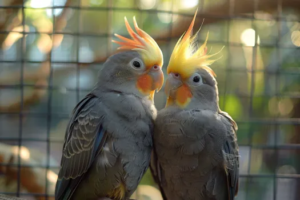
How to Trim a Pet Bird’s Wings
Trimming a pet bird's wing feathers limits flight so it can move safely in a small space without escaping, but improper cutting can remove flight ability entirely. Generally clip about three-quarters of the wing feathers, never cutting the skin. Proper technique, tools, and timing keep the bird safe and build trust.

Why Won’t My Dog Let Other Dogs Sniff Its Behind?
Butt-sniffing is how dogs greet and exchange information like sex, age, and health. A dog that refuses may be shy or timid, have had a bad social experience, or lack trust with the other dog. Respect its comfort and build trust through safe, gradual socialization.