Search Results
204 results for “Training, Daily Care”
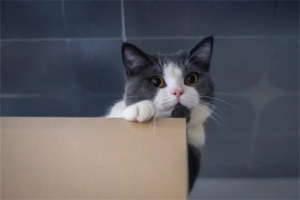
How to Tame an Aggressive Cat
Taming an aggressive cat takes method and patience. Understand its behavior, provide an enriching environment, use positive rewards rather than harsh punishment, and interrupt bad behavior calmly. Some aloof cats warm up over time with consistent love and care.

What Are the Signs a Dog Lacks Love and Attention?
A love-deprived dog may seem insecure and timid, low in mood, sleep fitfully, hide or act out, or cling anxiously to its owner. If you see these, reflect and give more companionship. Meet its needs with scheduled interaction, proper toys, and daily affection.

How to Train a Budgerigar to Drink from a Fixed Spot
Train a budgerigar to drink from one spot by offering a stable, tip-proof water cup in a fixed place, giving water at the same times daily, and rewarding it with a treat when it drinks there. Consistency builds the habit and eases your care.

What Happens When a Dog Is Caged for Long Periods?
Long-term caging harms a dog physically, mentally, and behaviorally: muscle and joint problems, weak immunity, obesity, plus anxiety, dependency, and social issues. Limit crate time—puppies out every 3 hours, adults under 6 hours daily—and ensure exercise and training.

How to Train a Chinese Li Hua Cat to Be Obedient
Li Hua cats are lively and independent, but become affectionate once bonded. To train one, build trust, stay patient, use positive reinforcement with treats or toys, train a little every day, and give plenty of love and attention.

How to Discipline an Overly Playful Cat
An overly playful cat usually has excess energy or wants attention. Cats need daily activity; without it they act out to burn energy. A long-ignored cat may misbehave to draw notice. Beyond play and toys, punish bad behavior on the spot with fair, consistent correction, and consider spaying or neutering a hot-tempered cat, which usually calms it.
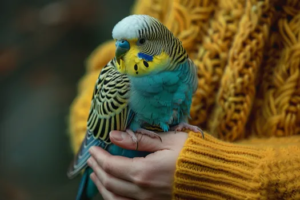
What to Know When Raising a Myna as a Beginner
New myna owners should pick a lively, healthy bird with glossy feathers, give a right-sized cage with toys and space, feed a balanced diet of special myna feed plus fruit, vegetables, and nuts, and let it adapt quietly. Socialize daily, keep the cage clean, train gently, and watch for signs of illness.

Feline Urethral Obstruction: Causes, Symptoms, Treatment, and Prevention
Urethral obstruction mostly affects male cats aged 1-6. Causes include urinary stones, crystals, inflammation, and muscle spasms; signs are frequent urging, straining, reduced output, and blood-tinged urine. Left untreated it can lead to uremia, kidney failure, and bladder rupture — life-threatening. If obstruction is suspected, take the cat to a vet immediately for catheterization, then diagnose the underlying cause and treat it. Prevention focuses on hydration, diet, and stress reduction.

What to Know Before Owning a Border Collie
The Border Collie ranks #1 in dog intelligence and is beloved, but it has high exercise and training needs. This guide covers daily exercise, vaccines and deworming, feeding, early training, and controlling salt intake.

Do Lop Rabbits Smell? How to Handle a Smelly Rabbit
Lop rabbits are clean, burrow-loving animals that groom themselves and have light-scattering droppings, so they rarely smell. This guide explains why a rabbit may smell—litter habits and scent glands—and how to fix it with training, diet, bathing, and hygiene.