Search Results
204 results for “Training, Daily Care”

Are Miniature Pinschers Easy to Care For?
The Miniature Pinscher is a lively, smart, gentle, and people-loving dog that experienced owners generally find easy to keep. It adapts well indoors yet still needs daily outdoor exercise to burn energy, or it may get into mischief. Its sensitive skin benefits from regular brushing and bathing, and routine vaccinations and checkups prevent disease. Pros include small size, high intelligence, loyalty, a mild temperament, little odor, and easy adaptability. Cons are a delicate stomach, cold sensitivity, and a loud voice. With a safe home, balanced diet, enough exercise, and regular parasite control and vaccines, a Miniature Pinscher thrives.

Papillon Temperament and Care
The Papillon is a small, elegant European breed named for its butterfly-like ears. Weighing just 3 to 5 pounds, it has a soft, flowing coat in white, black, brown, or patterned colors. Despite its size, the Papillon is lively, affectionate, and highly intelligent. These dogs bond closely with their families, greet strangers kindly, and adapt to apartments or houses alike. They are quick to learn and enjoy training, games, and companionship. Because they are active and curious, they need daily exercise, mental stimulation, and regular grooming. A balanced diet, routine veterinary checks, and social interaction keep a Papillon healthy and happy. With the right care, this bright little companion becomes a devoted, joyful member of the household.
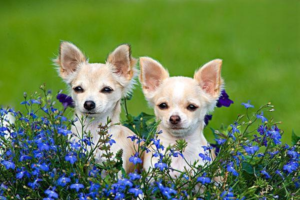
Can a 7-Year-Old Care for a Dog?
By age seven, children can grasp that dogs have feelings and need gentle care, but real responsibility takes maturity. Parents should weigh the cost, time, and long-term commitment (dogs can live 18 years), then ask the child honest questions about why they want a dog and the daily duties. Teach kids the 'be a tree' stance against aggressive strange dogs.

What Daily Supplies Does Your Cat Need?
Beyond bowls, fountain, litter box, and bed, a few supplies make care easier. For claws: a cat-specific nail clipper (elliptical claws split under human clippers; a safety-guard or LED model helps avoid the quick) and a scratching post. For coat: a deshedding comb and a pin brush for massage. For baths: a bathing bag if needed, cat shampoo (not human—cat shampoo is cheap and has anti-parasite formulas), and a pet drying box to avoid loud dryers. Add a pet toothbrush or finger brush, ear cleaner, and paw-foam for routine care.

How to Care for a Pekingese
The Pekingese—also called the Lion Dog or Beijing Dog—is a tiny, sturdy, ancient companion breed with a devoted, loyal nature and relatively simple care needs. Provide a warm, comfortable bed and a steady routine for eating, sleeping, and toileting. Feed a balanced diet of quality kibble plus safe additions like cooked vegetables and lean meats, and avoid onions, garlic, spicy or salty food, cold leftovers, raw meat, and caffeine. Groom daily, clean the eyes, ears, and paws weekly, brush the teeth several times a week, and bathe as needed to prevent skin and parasite problems.

Desensitization Training for Cats with Phobias
Desensitization is a good way to treat phobias in cats. The key is to identify the fear source, control the trigger at low intensity, and slowly increase exposure in a random, stepwise manner—always ending each session on a positive note. Generalized fear and medication are also covered.

How to Choose a Cat and Care for It Properly
Getting a cat means treating her as a family member and raising her kindly for a happy life. Before deciding which cat suits you, learn about cat types and costs to avoid abandonment caused by a poor match or unaffordable expenses.

How to Care for a Shiba Inu
Good Shiba care means feeding by life stage, house-training early using the dog's natural routine, varying walk times so the dog learns patience, and never sharing unsuitable human food. Consistent habits keep a Shiba healthy and well-behaved.

Caring for Your Rabbit After Spay or Neuter Surgery
Most rabbits can go home about half a day after neutering and recover better at home, but the incision, diet, and bowel movements all need close attention. Use gas anesthesia if possible, photograph the wound daily, keep an Elizabethan collar on for a week, resume normal feeding right away, and watch that the rabbit passes stool within one to two days.

How to Feed and Raise a Puppy
Feed a puppy small meals about four times a day on a fixed schedule to protect its delicate stomach, and never use human milk — use a proper puppy formula mixed into soaked kibble. Keep vaccines on schedule (the first distemper/parvo shot around three months), balance food with short 15–30 minute outings, and let a new arrival settle in before feeding.