Search Results
8 results for “Time-out”
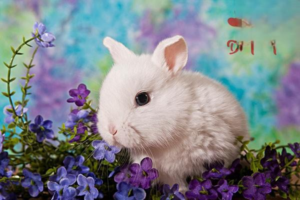
How to Correct a Pet Rabbit’s Bad Habits
Rabbits are like children — curious and occasionally destructive — so correct misbehaviour the moment it happens, without hitting. A sharp clap or stomp to startle, a two-minute cage time-out, or a brief lift off the ground all teach the lesson; reward good behaviour and stay patient, since it takes repetition.
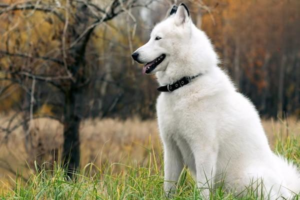
How to Train a Shiba Inu
Shiba training is worth starting young: fixed-spot potty, brief reward-based sessions, set feeding times, and recall training (crucial, since a Shiba may wander or even bite if its follow skills are poor).

How to Discipline an Overly Playful Cat
An overly playful cat usually has excess energy or wants attention. Cats need daily activity; without it they act out to burn energy. A long-ignored cat may misbehave to draw notice. Beyond play and toys, punish bad behavior on the spot with fair, consistent correction, and consider spaying or neutering a hot-tempered cat, which usually calms it.
What happens if you splash a cat with a basin of water?
Splashing a cat is unfriendly and may scare it into fleeing or fighting back, even causing stress. Wet fur that is not dried can lead to chills, colds, or skin disease. Treat animals kindly; if the cat misbehaves, use time-outs, scolding, ignoring, or a light tap on the head instead.
How do you train a dog to be obedient?
Train with balanced rewards and punishments so the dog trusts you. Let it adapt to the new environment first, then teach simple commands like sit, shake, and down. Reward correct behavior with snacks or praise, and correct mistakes with brief scolding or time-out.
How do I train my dog to pee and poop in a fixed spot?
Toilet training a dog takes a few steps: pick a spot away from where it eats and sleeps, then reward it with praise and treats when it goes there and correct it (such as a brief time-out) when it goes elsewhere. Never punish mid-act, or the dog may think eliminating itself is wrong.

What Are the Signs That a Dog Feels Guilty?
A guilty dog often lowers its head, avoids eye contact, stiffens its body, pins its ears back, and tucks its tail, and may try to appease you with frantic licking or by offering a toy. This guide explains the common signs of canine guilt and how to correct misbehavior with positive reinforcement rather than punishment.
Do Cats Hold Grudges After Being Hit? (Why You Shouldn’t Hit Them)
Many owners think a single hit is no big deal, but cats have strong short-term memory for painful or frightening events. A kitten may not "hold a grudge" but will remember being hurt and slowly lose trust, hiding whenever it sees you. Adult cats remember even more and are quicker to resent. Hitting rarely teaches a lesson, since only a few very smart cats grasp your intent. Signs of a grudge include refusing touch, destroying things, inappropriate elimination, counter-attacking, or running away. The fix is to stop all physical punishment, rebuild trust with treats and play, and correct with a firm voice, time-out, rewards, or a mother-cat style neck tap instead.