Search Results
336 results for “Territorial”

Do Cats Hold Grudges After Being Hit? (Why You Shouldn’t Hit Them)
Many owners think a single hit is no big deal, but cats have strong short-term memory for painful or frightening events. A kitten may not "hold a grudge" but will remember being hurt and slowly lose trust, hiding whenever it sees you. Adult cats remember even more and are quicker to resent. Hitting rarely teaches a lesson, since only a few very smart cats grasp your intent. Signs of a grudge include refusing touch, destroying things, inappropriate elimination, counter-attacking, or running away. The fix is to stop all physical punishment, rebuild trust with treats and play, and correct with a firm voice, time-out, rewards, or a mother-cat style neck tap instead.

Can Chinchillas Be Neutered?
Chinchillas can be neutered, ideally before sexual maturity: males around 4-6 months and females around 5-7 months. Neutering controls breeding, calms aggressive or territorial males, and lowers a female's risk of uterine disease and mammary tumors. The procedure is less established in some regions, so choose an experienced veterinarian or a well-equipped hospital, and expect a health check first. Chinchillas are prolific breeders that can mate again within 24 hours of birth, so for pets you do not plan to breed, neutering or strict separation of sexes is the safest approach.

Treating a Hamster Injured in a Fight
Hamsters are fiercely territorial and often fight when housed together. After a fight, check the wound closely. Minor injuries can be treated at home: clean with saline, disinfect with iodine, and apply a safe ointment such as chlortetracycline eye ointment or Yunnan Baiyao, while keeping the injured hamster alone in a calm space. For heavy bleeding, large, or deep wounds, disinfect and bandage, then see a veterinarian. Separate the injured hamster at once and watch for any worsening; seek professional care if it does not improve.

Why Does Your Cat Head-Butt You?
A cat head-butting you carries several meanings and is a way to express love and needs through body language. Cats head-butt each other to show friendliness, and with people they do the same to build a closer bond and display affection. A cat usually head-butts only those it likes, so respond with more attention and warmth to deepen your trust and closeness.

When Should You Wean Baby Hamsters?
Hamsters usually begin weaning at about 3 to 4 weeks, though the best timing varies with the individual. You can tell they are ready when they start eating solid food on their own, leave the nest more often, and the mother begins to refuse nursing. After weaning, feed a high-quality young-hamster mix with hay, oats, or millet as supplements, plus small amounts of chopped vegetables and fruit and constant fresh water. Separate the pups into their own cages, feed little and often, keep the cage clean, and maintain a warm, safe environment.
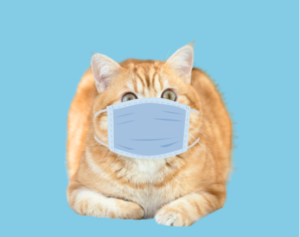
Smells Cats Hate Most (and Why They Matter)
A cat's nose is far sharper than ours, so scents we find fresh can be 'chemical weapons' to them. Most cats hate high-menthol products (white flower oil, cooling balms), citrus peels (limonene and linalool irritate their scent nerves and the plants are mildly toxic), and perfumes. They also reject other cats' smells—a stranger's scent can trigger defensive puffing and hissing. Alliums, camphor products, and vinegar round out the list, while secondhand smoke's 7,000-plus chemicals threaten a small cat's lungs far more than a human's. Keep these away from your cat.

Does a Cat’s Personality Change After Neutering?
The belief that cats turn gentler after neutering is partly true but not guaranteed. Neutering removes the testes or ovaries and uterus, so a cat can no longer breed and its sex hormone levels drop. Without heat cycles driving hormones up, many cats become calmer and more stable, with less aggression and territorial drive, and they often accept petting more willingly. But the direction and size of any change depend on the cat's age, temperament, and environment. Some become more aloof and less social, and right after surgery a cat may act irritable and lose appetite from pain, fear, and the stress of the procedure. Others show no clear change at all, especially if their personality was already steady. Support your cat through mood swings with extra affection, a stable routine, private space, and more gentle interaction. Neutering does not rewrite a cat's core self, so stay patient and respect its individuality.
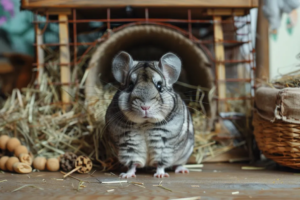
Why Is My Chinchilla Peeing Outside the Litter Box?
Chinchillas may urinate in the wrong places for several reasons—bad habits, low mood, estrus, territorial marking, or an underlying urinary infection. Each cause needs a different response. The key first step is to clean any accident thoroughly so the scent doesn't train your pet to reuse the spot. Feeding on a fixed schedule keeps a hungry or unhappy chinchilla calm, while separating cages and considering neutering curbs marking during heat. If urination becomes frequent or the urine looks dark, a vet check rules out infection.

Why Has My Cat’s Personality Changed?
A sudden change in a cat's temperament can come from heat, neutering, strong pain, illness, a teenage 'rebellious' phase, or psychological stress. A cat in heat grows restless and may spray, then settles after; neutering usually makes it calmer and lowers reproductive-disease risk. Pain makes a cat reject touch and lash out, so see a veterinarian if it guards a body part. New pets, punishment, or loneliness can also trigger fear or retaliation, and sensitive cats can develop anxiety or depression without enough companionship.

Do Cats Bully Each Other?
Bullying does occur among cats, yet owners often overlook it—especially in multi-cat homes. Cats are territorial animals that establish a social hierarchy, so competition over food, water, litter boxes, space, or a newcomer's arrival can trigger one cat to intimidate another. Typical bullying includes chasing, pouncing, biting, resource guarding, and social exclusion, while victims may over-groom, hide, lose appetite, or grow aggressive. Left unchecked, chronic stress harms the targeted cat's health and the household's harmony. The good news is that owners can prevent and reduce conflict by providing ample resources, introducing new cats gradually, intervening calmly when fights start, and avoiding favoritism. This guide explains why cats bully, how to spot both the behavior and its victims, and practical steps to restore peace.