Search Results
336 results for “Territorial”

Why Cats Get Annoyed — and How to Make Up Afterward
Cats are territorial and sensitive to pressure, so the fastest ways to annoy one are bringing home another cat, pointing a finger at it, or handling it too roughly. Once you have upset a cat, give it space, approach calmly, and win it back with a soft voice, a slow blink, and a treat.

Understanding Normal Rabbit Behaviors
Knowing a rabbit's normal behaviors helps breeders spot problems early and respond in time. Key patterns include feeding and drinking, nursing, cecotrophe (soft stool) eating, and territorial marking. Recognizing what is typical versus abnormal is essential to rabbit health and productive husbandry.

How Do Male and Female Rabbits Act When in Heat?
Intact rabbits show clear, different heat signs by sex. Does get a dark-red, swollen vulva, rub their chins on objects, and may show false pregnancy; bucks circle, mount, and bite to hold. Knowing these signs helps you manage breeding and the mess that comes with it.

What Spay/Neuter Surgery Is — and Why Cats Should Be Neutered
Spay/neuter is a routine surgery that removes a cat's reproductive organs to prevent breeding and curb hormone-driven behavior. Males get a quick scrotal incision; females need a flank or abdominal incision to remove the uterus and ovaries. The benefits include fewer stray cats, lower reproductive-disease risk, and far less spraying, yowling, and fighting.

Kunming Wolfdog: Appearance and Price
The Kunming dog — also called the Kunming wolfdog — is a Chinese working breed developed by army dog trainers, coming in three coat colors: black-and-tan, fawn, and wolf-sable. Medium-built and square in outline with a wedge-shaped head and erect ears, it is bold, keen-scented, and easy to train, which is why it serves in detection, patrol, guard, and anti-drug work. As a purpose-bred working dog, quality animals go mainly to police and military units, and a healthy, purebred pup from the open market typically runs 1,000–3,000 yuan.
What to Do When Your Cat Is in Heat
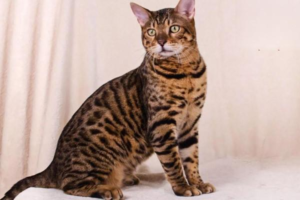
A cat in heat can disrupt household life: toms tend to spray urine around the home, while queens yowl loudly enough to disturb sleep and draw neighbor complaints. The most reliable fix is spaying or neutering. Calming powders exist for short-term emergencies but should not be used long term, and the ideal surgery age is still debated between around four months and the traditional six to eight.
What to Do When Arowana Fish Fight
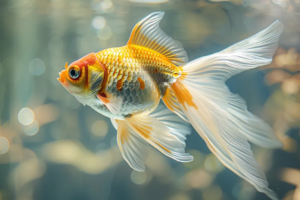
Arowanas are fiercely territorial, so fights in a community tank usually come down to cramped space, scarce food, or a big size gap. Give them room and steady feeding, match tank mates by size and temperament, and use a divider to introduce newcomers before they share open water.
Why Chinchillas Urinate in the Wrong Place and What to Do
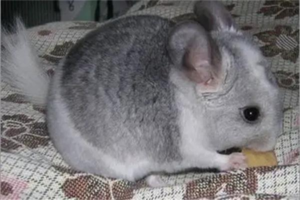
Chinchillas are clean and usually use one spot, so random urination points to marking, estrus, anxiety, food dislike, or a learned habit. The fix depends on the cause — more attention, separating sexes in heat, vinegar to erase scent marks, or adjusting the diet.

Why Do Dogs Bark So Much?
Dogs bark to signal loneliness, territorial defense, separation anxiety, play, or discomfort. Curb it with calm 'quiet' commands and rewards, gradual alone-time training, and by meeting its needs before you leave — but rule out pain if the barking is sudden.
What to Do When Blood Parrot Cichlids Fight and Lose Scales, Exposing Flesh
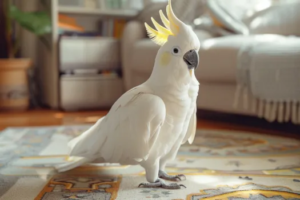
When blood parrot cichlids fight, they tear off scales and can expose raw flesh, which invites infection. Isolate the injured fish and treat it with a 2–3% salt bath plus antibacterial or 'yellow powder' medication, keep the water at 28–30°C, and change it every three days. To stop the fighting, give more space, feed more, or separate the bullies.