Search Results
3206 results for “Temperature”
What happens to an English Bulldog in summer heat?
The English Bulldog is muscular; though short coat, its short nose causes breathing trouble in heat. Limited cooling can cause heatstroke with high temperature, fast breathing, fast heartbeat. Move it to a cool, airy place, wipe with a wet towel, and see a vet soon.
How does a cat act before giving birth?
A cat's pregnancy is about 63 days. Before birth the belly grows and movement slows. 1-2 weeks prior, breasts enlarge and may leak milk. 1-2 days prior, temperature rises slightly with low appetite, nervousness, nesting. At labor, contractions bring rapid breathing, shaking, restlessness.
What are the signs of a dog losing too much blood?
Too much blood loss shows fast heartbeat, rapid breathing, pale gums, blue lips and tongue, low spirits, fatigue, low temperature, weak legs, inability to rise. Stop bleeding and go to a vet at once; transfusion is usually needed to restore blood.
Why is my dog’s nose wet?
A wet nose relates to strong appetite, licking, and temperature control. Smell hunts food; a moist nose catches scent molecules, also showing good appetite. Licking cleans the nose; when uncomfortable the dog licks it. The nose is a sweat organ, so fast breathing in heat makes it wet.
What happens if a dog’s coat stays damp?
Long-damp coat absorbs surrounding heat and lowers body temperature, causing colds. It also breeds bacteria and fungus, leading to itchy, shedding, inflamed skin. Damp fur makes the dog uneasy, causing anxiety or depression. Dry the coat after it gets wet.
Can a one-month-old rabbit be kept outdoors in autumn and winter? North, currently 11-23 C
Do not keep a young rabbit outdoors in autumn and winter; rabbits tolerate cold poorly and kits have weak immunity, easily catching colds or worse in low temperatures. The right temperature is 15-25 C, kits 20-25 C, so keep them indoors warm and sheltered, with brief sunny outdoor time for health.
Can a turtle with a cold or pneumonia take roxithromycin dispersible tablets, and how should I dose it?
For mild colds, turtles usually need no medication, just raise the water temperature and give more sunlight. If it persists or worsens, use penicillin- or cephalosporin-class drugs orally, controlling the dose. If the turtle stops eating, subcutaneous antibiotic injection may be needed.

Guinea Pig Living Habits and Traits
Guinea pigs are timid, nocturnal, social rodents that sleep little and startle easily. They eat greens and veggies, need constant chewing to wear teeth, thrive in groups, and hate noise and cold — so keep them in a quiet, clean, stable environment.
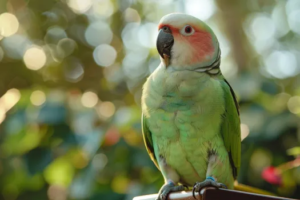
How to Treat Diarrhea in a Budgerigar
Budgerigar diarrhea is common in beginners' setups and usually stems from chill, overeating, or spoiled food. Mild cases need rest and probiotics; persistent cases use a little oxytetracycline in water plus gut support, with warmth and cage hygiene.

What to Do When a Cockatiel Has Severe Diarrhea
Severe diarrhea in a cockatiel usually means enteritis and needs prompt medication; if the bird is already lethargic and refusing food and water, it is serious and hard to treat. Treatment targets bacteria and secondary infection, with supportive fluids and antibiotics.