Search Results
3206 results for “Temperature”

Why Rabbits Sneeze and How to Prevent It
A brief sneeze may be allergy, but constant sneezing means respiratory disease. This guide prevents sneezing via air quality, temperature swings, and the rabbit's own constitution.
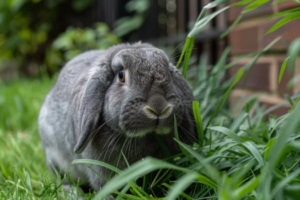
Rabbit Respiratory Inflammation
Respiratory inflammation hits any age in any season and worsens in damp weather, but caught early it's minor. This guide covers causes, signs, and the rinse-and-antibiotic treatment.

What Causes Shedding in Cats?
Shedding is a year-round headache for cat owners, tied to both the cat's health and the home environment. This article explains the causes of cat shedding.

Causes of Postpartum Feed Refusal in Does
Postpartum feed refusal has become a major obstacle in rabbit farming. A doe that won't eat produces less milk, so kits get inadequate nutrition, weakening immunity, slowing growth, even causing death. This article analyzes the causes.

Why Does Your Dog Keep Shaking—Is It Cold?
Shaking isn't only cold or fear. It can also mean excitement, illness (kidney failure, distemper, injury), or poisoning (morning glory, castor bean). Watch closely; frequent or nonstop shaking needs a vet.

How to Help a Rabbit Safely Through Winter
Winter is harsh and rabbits catch chills easily. This guide covers wind protection, heating, diet energy, and exercise to get them safely through the cold.

How to Properly Raise a Non-Pregnant Doe Rabbit
A non-pregnant (resting) doe is one between weaning her litter and the next mating. Too long a rest period lowers fertility and hurts farm profitability. This article covers factors affecting the doe's rest period and how to feed her properly.

What Are a Rabbit’s Stress Responses?
Rabbits are timid and startle easily; severe stress can even kill. This guide covers the signs and the environmental triggers — noise, temperature, humidity, light — owners must control.

How to Prevent Arthritis in Dogs
Arthritis pain is severe—signs include lameness, inactivity, an arched back with crying, irritability, and muscle atrophy. Prevent it with healthy weight, daily exercise, a dry comfy bed, good nutrition, and regular checkups.

Can a Dog’s Fever Heal on Its Own?
A dog's fever (over 39.5°C) rarely self-heals and can turn serious. Causes include infection, kidney/lung infection, toxins, and vaccine reactions; signs are lethargy, anorexia, and rising temperature—see a vet for a high fever.