Search Results
3206 results for “Temperature”
Breeding Taboos for Rabbits
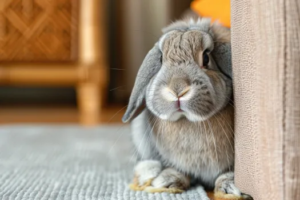
Good breeding is key to profitable rabbit farming, yet some owners breed does back-to-back regardless of health, leading to many kits but poor survival. Avoid close inbreeding, mating too early, over-mating, summer breeding, early or late weaning, mixed-group housing, and poor management to keep reproduction rates and kit health high.

What to Do When a Dog Has a Fever
A dog's temperature of 39.5 C or higher counts as a fever. Causes range from wounds and infections to organ involvement and post-vaccine reaction. Signs include lethargy and appetite loss; confirm with a pet thermometer, cool the dog down for mild cases, and seek veterinary care for serious or persistent fever.

Gastroenteritis in Dogs and Cats: Types, Symptoms & Medication
Gastroenteritis in dogs and cats spans gastritis (acute/chronic) and enteritis (viral, bacterial, parasitic). This guide covers causes, symptoms, and the medication approach—anti-inflammatories, anti-vomiting, anti-diarrhea, dewormers, probiotics—plus prevention.
Causes and Symptoms of Constipation in Rabbits
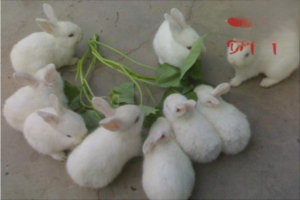
Rabbit constipation shows as reduced appetite, hard dry droppings, a swollen tender belly, and stopped defecation. Causes include poor diet, low water, little exercise, and anal disease; treatment is food withdrawal, water, enema, and oils.

What to Do When Your Rabbit Loses Its Appetite
A rabbit that stops eating is a warning sign. This article explains common causes of poor rabbit appetite—spoiled food, gut issues, nutritional gaps—and how probiotics, diet changes, and vet checks can restore it.

How to Improve Your Rabbit’s Appetite
Rabbits lose interest in food from boredom, lack of exercise, heat, or a bland diet. Practical ways to boost appetite include varied feed, daily playtime, cool surroundings, and a little honey or tasty treats.

Solutions for a Rabbit With Poor Appetite
Persistent poor appetite in rabbits often comes from food monotony, nutritional deficiency, a dirty environment, or heat. Practical fixes include a varied diet with hay and veggies, nutritional supplements, regular disinfection, and summer cooling.

Fever in Dogs and Cats: Causes, Detection and How to Reduce It
Fever in dogs and cats can stem from infections or non-infectious issues like heatstroke and post-vaccine reactions. Learn how to take your pet's temperature, recognize fever signs, and safely reduce fever with cooling and vet-approved medication.
Common Causes of Shivering in Cats and Dogs and How to Manage Them
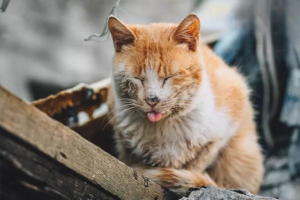
Shivering is body trembling from cold, emotion, disease, or weakness—common in pets, and seizures include it. Causes range from simple cold to poisoning or infection; this article reviews them.
Rabbit Conjunctivitis
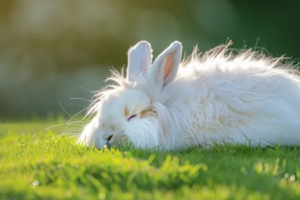
Conjunctivitis is a serious, contagious rabbit eye disease; untreated it can blind. It's often from pasteurella in dirty, damp housing. This article covers causes, the incubation period, and prevention/treatment.