Search Results
3205 results for “Temperature”
What Causes Fish to Become Oxygen-Deprived?
Low dissolved oxygen in the water is the direct cause - from overstocking, aging water, excess plants/algae, high temperature, pollution, or illness. Keep stocking light and refresh water regularly.
My one-month-old rabbit is sneezing and sounds congested – what should I do?
Sneezing with nasal sounds in a rabbit usually means a respiratory infection. Here is the home care and when to see a vet.
What are the signs that a rabbit is sick?
Sick rabbits show low appetite, lethargy and dull reactions. Symptoms vary by disease. Here is a rundown.
What are the signs that a puppy is dying?
Dying puppies show weakness, faint breathing, falling temperature and pale membranes. Here is what to watch for.
What are the most obvious signs of fever in a cat?
Fever shows as lethargy, poor appetite and a dry nose. Here is how to check a cat's temperature.
Will goldfish kept at home breed on their own?
Home goldfish can breed naturally if both sexes are present and healthy. Here is the timing and conditions.

What Does It Mean When a Cat Loafs (Tucks Its Paws)?
A cat tucking its paws under its body—the 'cat loaf'—usually signals relaxation and safety, helps conserve heat, or, less commonly, hides pain from injury or illness such as chronic kidney disease. Watch for a stretched neck and lowered head, which suggest discomfort.

What Causes an Arowana to Become Startled?
Arowanas look fierce but are timid and startle easily—mild cases refuse food or jump, severe cases crash into the glass and risk death. Common triggers include poor tank placement, new environments, bullying tankmates, water changes, and pets or children. Identify the cause quickly and address it.
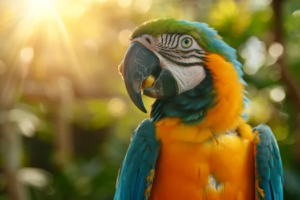
Feeding and Water-Change Tips for Blood Parrot Cichlids
Feed blood parrot cichlids a mix of plant and meat-based foods, 2–3 times daily in portions finished within 5 minutes, and change about one-third of the water every 3–5 days using dechlorinated water kept within a 2°C difference.

How to Prevent Arowana Fright
Arowana fright is common and hard to eliminate entirely, so owners should both prevent it and know how to respond. Give new fish quiet time to adapt, keep tankmate sizes matched, maintain stable warm water, and limit pets/children near the tank; for an already-startled fish, the 'old three' (heat, salt, water change) usually helps.