Search Results
3206 results for “Temperature”
Is a Cat Bed a Must-Have or Just a Gimmick?
A cat bed isn't a gimmick, but it's not strictly necessary either — it depends on the cat. A good bed gives a sense of security and warmth in winter, beyond just a place to sleep. If your cat ignores the bed, don't force it; a box, blanket, or pet mattress works too. Choose soft, warm, breathable natural materials like short plush or felt, and pick a size about 1.5 times the cat's body length — cats like a snug wrap and a too-big bed feels insecure.
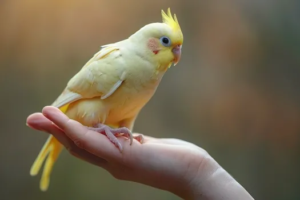
How to Keep a Budgerigar Warm in Winter
Budgies tolerate cold poorly, so act quickly when temperatures drop. Provide a warm, draft-free cage, extra high-energy food and warm water, steady light, and close daily observation so illness is caught early.
What is the biggest mistake in raising a Pug?
The top mistake with Pugs is too much exercise, since their short snouts cause breathing trouble. Keep the air clean and humid, and avoid outings during temperature swings.
What are the symptoms before a cat dies?
Pre-death signs differ by cause: illness brings lethargy and breathing trouble, old age brings withdrawal and weakness, and trauma brings bleeding and shock. Recognizing the patterns helps you prepare.
How do you hand-feed a young puppy?
Hand-rear puppies with goat's milk formula fed via syringe in small, frequent meals, adding softened puppy food after one month. Keep their surroundings warm to support weak immunity.

What to Do When Your Hamster Has a Bleeding Nose
A hamster's nose can bleed for several reasons, including respiratory infections, inflammation, injury, dry air, or a vitamin deficiency. Light bleeding from a minor scrape often stops on its own, but heavy or repeated bleeding, especially with sneezing, discharge, or labored breathing, warrants a vet visit. Keep the enclosure warm and humid enough and avoid rough handling while the hamster recovers.

Why Is My Goldfish Lying on the Bottom of the Tank in Winter?
A goldfish resting on the tank bottom in winter is usually caused by low water temperature, poor water quality, or illness. Cold water slows the fish's metabolism so it conserves energy at the bottom—raise the temperature to 18–25°C with a heater. Dirty water should be refreshed and kept at pH 6.5–7.5, while disease (enteritis, temperature shock, bacterial infection) needs prompt isolation and a 1% salt bath. Regular water changes and added aeration further prevent the problem.

What Causes Shock in Dogs?
Dog shock takes several forms — hypovolemic, septic, cardiogenic, anaphylactic, neurogenic, and traumatic — and each needs a different emergency response. If your dog shows signs of shock, give the appropriate first aid based on the symptoms and get to a veterinary clinic as quickly as possible.
Extruded vs. Baked Cat Food: What’s the Difference?
Extruded and baked cat foods differ mainly in process. Extruded food mixes meat, grains, and produce, then cooks and shapes it under high heat and pressure (120–140°C) before coating with fat and flavor — the mainstream since the 1950s. Baked food uses low-temperature baking (80–100°C), keeping ingredients and nutrients more intact and needing little starch as a binder, so it is usually grain-free with higher meat content. Extruded is cheaper and easier to store; baked costs more but suits sensitive stomachs and cats prone to chin acne. The real key is ingredient quality, not the process.
Is Tapioca Starch in Cat or Dog Food a Problem?
Tapioca starch (from cassava, a tropical root) in pet food is normal and usually fine in moderation. It helps kibble hold its shape, provides energy, and lowers cost. If it sits near the top of the ingredient list, though, protein may be lacking — and since cats are obligate carnivores and dogs are meat-based omnivores, long-term high-starch diets cause muscle loss and weaker immunity. The 'tapioca is toxic' worry is a myth: raw cassava contains cyanogenic glycosides, but proper soaking, cooking, and drying remove them, and high-heat pet-food processing destroys what remains.