Search Results
3206 results for “Temperature”

Is It Harmful for a Dog to Keep Licking Its Wound?
A dog licking a wound is instinctive and mildly antibacterial, but constant licking keeps the area too moist, slows healing, can trigger a local reaction, and may cause a lick granuloma — so use an Elizabethan collar. Clean minor wounds with saline and pet antiseptic; see a vet for deep, large, or infected wounds, which can turn into sepsis.
Is Your Cat More Sensitive to Cold or Heat? What Every Owner Should Know
A cat's normal body temperature is 37.5–39.2°C, and its limited sweat glands make it far better at handling cold than heat. Heat stress can set in above 38°C (panting, lethargy, drooling, even collapse), while most cats feel cold below 10°C — kittens, seniors, and short-haired breeds need extra warmth. Keep the home between 16–21°C and warm the bed in winter.
Why Does My New Puppy Keep Shaking?
A new puppy that shakes is usually just stressed or cold — it hides, curls up, ears back, tail tucked, and eats little for 1–3 days, then settles. A warm, quiet space helps; but if shaking comes with weakness, vomiting, or pale gums, see a vet for low sugar or infection.
6 Mistakes to Avoid When a Kitten First Comes Home
Six common new-kitten mistakes: switching food at once, bathing too soon, overwhelming it with handling, self-medicating, misplacing the litter box, and skipping socialization. Give the kitten time and a calm space to adjust, and it will thrive.
How to Tell If a Dog’s Cough Is Kennel Cough
Kennel cough is a contagious respiratory disease; suspect it with a harsh 'honking' cough that looks like retching, a pained look, and white foamy mucus, while energy and appetite stay normal. It lingers 1–3 weeks (unlike a 1–3 day plain cough) and follows contact with other dogs or busy pet places — unvaccinated puppies under 6 months are most at risk. Isolate, ease the neck (use a harness), and see a vet; never give human cold medicine.
My Cat Is Lethargic After a Bath — What to Do
A cat that's lively before a bath but limp and motionless after is usually having a stress response — most cats hate water, and the tension spikes heart rate and blood pressure, burning energy they then recover by lying still (with hiding, over-grooming, low appetite, or shivering). Dry and warm it, give a quiet dim room and a pheromone spray, and watch; if vomiting, diarrhea, or no eating beyond 24 hours appears, see a vet.
Helping a Cat Through Moving Stress
After a move a cat may hide, pant, stop eating, or even develop feline idiopathic cystitis from stress. Set up a quiet 'safe base' with its familiar bed, toys, and scent, run a synthetic pheromone diffuser, and speak and pet gently without forcing it out. If it refuses food and water over 24 hours, vomits, strains to urinate, or breathes fast with pale gums, see a vet — adapting can take 1–2 weeks.

Do Kittens Get Diarrhea With the Seasons?
Kittens often get loose stools at season changes because shifts in temperature, humidity, and pressure stress sensitive cats and upset gut flora, worsened by cold bellies and abrupt diet changes. Keep them warm, keep the diet simple, and add a probiotic (Bacillus subtilis, Saccharomyces boulardii); if diarrhea is watery, bloody, smelly, with lethargy or other signs beyond 3 days, see a vet.

Why Do Cats Suddenly Fight After Grooming Each Other?
Cats often groom each other to bond and relax, and a sudden tussle mid-groom is usually just play, not a real fight — play lacks anger, stops abruptly, and ends with them resting together. A true fight is aggressive, noisy, and can draw blood, so break it up safely (water works well) without putting your hands in.
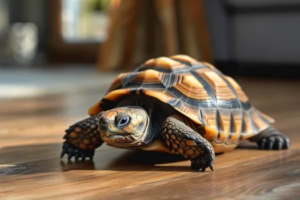
How to Tell If Your Turtle Is Sick
A sick turtle shows clear warning signs: sluggish reactions, sunken limbs, floating for long periods, swollen neck or legs, abnormal droppings, and shell rot. Watch your turtle daily so you can act early and avoid serious illness.