Search Results
3205 results for “Temperature”

Does the Old English Sheepdog Shed? How to Manage It
The Old English Sheepdog is a heavy-coated breed that sheds mainly at coat-change seasons, and most shedding is normal with regular grooming. Human shampoo, over-bathing, low sunlight, poor diet, and excess salt cause extra loss — and red bumps with itching signal skin disease needing a vet.

Can You Bathe a Newly Arrived Cat?
Hold off on bathing a newly arrived cat for the first few days — the stress of a new home already makes it anxious, and a bath only adds to it. Cats groom themselves, so unless there is real dirt or odor you can spot-clean with pet wipes. When you do bathe, use cat-only products, keep water away from the head, and dry the coat fully to avoid chills and skin trouble.

How Long Can a Dog with Distemper Survive?
Untreated distemper kills within about a week; it's a highly fatal, contagious disease with vomiting, appetite loss, and respiratory signs, most curable in the early stage. Once nervous signs appear, the odds drop — so treatment (monoclonal antibodies, interferon, fluids, and antibiotics against secondary infection) must start early.

Early Signs of Distemper and Early Treatment
Early distemper is easy to miss — a 40°C fever that dips like a 'cured' cold, then poor appetite, red swollen eyes, and later diarrhea or bloody stool. Improving spirit and appetite signal recovery; spot it early and treat, since late nervous signs are hard to reverse.

How to Prevent Disease in Ornamental Fish
Ornamental fish health rests as much on water as on the fish themselves: stable temperature, clean filtration, and unspoiled food prevent most illness. Daily habits — a properly sized filter, tight control of pH, hardness, ammonia and temperature, close observation of behavior and droppings, and routine disinfection of tank gear and live food — keep disease from taking hold.

Should a Cat’s Nose Always Be Wet?
A moist nose is normal for a cat, but a dry one is not automatically a problem — low humidity, heat, or just waking from sleep can dry it briefly. Persistent dryness with other signs such as lethargy, sunken skin, or fast breathing may point to dehydration or illness and warrants a closer look.

Do Hamsters Like Sunlight, and How Should You Let Them Sunbathe?
Hamsters are nocturnal burrowers that enjoy a little gentle sun but must never be left in harsh direct light or for long — doing so risks eye damage, heatstroke, and a ruined sleep cycle. Offer brief, shaded sunbathing in the cooler part of the day, keep it under an hour, and skip it for very young hamsters.
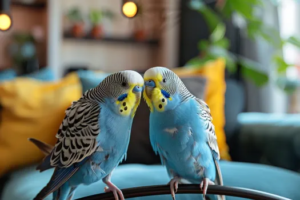
Seasonal Feeding Requirements for Parrots
Parrot diets should shift with the seasons: cut fatty foods and add greens in spring to prevent heat and obesity, keep food fresh and boost protein during the summer molt, build fat reserves in autumn, and raise protein and fat in winter to survive the cold. Matching feed to climate and the bird's condition is what keeps a parrot healthy year-round.

Why Is My Cat Shaking, and What Should I Do?
Cats shake for harmless reasons — cold, fear, or stress — but also for serious ones like poisoning or disease (seizures, fever, drug reactions). Warm a chilled or stressed cat and watch it; if shaking comes with vomiting, diarrhea, low appetite, or lethargy, or you suspect poisoning, get to a vet quickly.

Symptoms and Treatment of Canine Distemper in Dogs
Canine distemper is an acute, deadly contagious disease with a 3–6 day incubation. Early signs are poor appetite, lethargy, thickened paw pads, nasal discharge, cough, fever, vomiting, and diarrhea; middle stage adds refusal to eat and pus from eyes and nose; late stage brings neurological signs — foaming, seizures, collapse — and is usually fatal. Early treatment with hyperimmune serum and good nutrition saves many; late neurological cases are beyond meaningful help.