Search Results
3206 results for “Temperature”
Why Is My Turtle Not Moving?
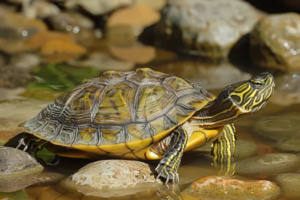
A turtle that stays still is often just resting or sleeping, which is normal. But stillness can also signal a health problem - indigestion, injured limbs, or fright. Indigestion can weaken the limbs and cut activity; an injured limb causes pain and immobility; and in winter, low temperatures may mean hibernation. Judge the cause by the turtle's condition and respond appropriately.
What Are the Common Diseases in Aquatic Turtles?
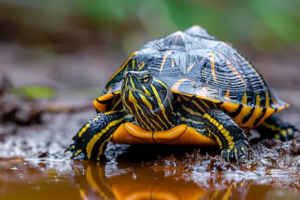
Common aquatic-turtle diseases—shell rot, colds, digestive illness, parasites, and white-eye disease—usually stem from poor feeding, dirty food, or bad water. Manage water quality and diet, keep the habitat right, and feed clean food to cut risk. Each condition has distinct signs and a targeted treatment, from shell cleaning to warm-water isolation.

What Happens If a Rabbit Gets Caught in the Rain?
Rabbits tolerate neither cold nor heat, so rain easily makes them ill—soaked fur drops body temperature and invites colds and pneumonia, while dampness breeds skin infections like eczema and fungus, and chills can shut down digestion and cause diarrhea. Keep their home dry and sheltered, add warm bedding in wet weather, and watch for redness, itching, or appetite loss.
The Proper Hamster Care Handbook
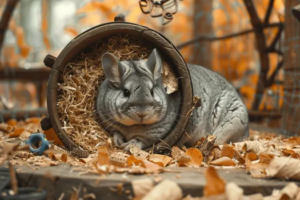
New owners should pick a gentle breed like the three-lined, purple, silver panda, or pudding hamster, and check health—coordination, limbs, eyes, nose, coat—before buying. Set up a right-sized cage with bottle, bowl, wheel, toilet, bath, bedding, and nest, kept out of sun and drafts. Feed mainly lab blocks (mixed grains) with occasional vegetables, fruit, and cooked meat.

Why Can’t Rabbits Be Bathed?
Rabbits shouldn't be bathed: their skin is only 2–3 mm thick and very sensitive, so water can scald and shampoos irritate it, while frequent washing strips protective oils and lowers skin immunity. They self-groom with barbed tongues, prefer dry air, have fragile airways that catch colds, and fear water—so bathing stresses them. Respect their biology and keep their space clean instead.

Are Hairless Guinea Pigs Hard to Care For?
Hairless guinea pigs are trickier because they lack fur protection and catch cold easily. Keep them at 20–25°C with added humidity, clean them with a damp cloth, check their skin often, and give space and social time with other guinea pigs.

Why Is My Dog’s Leg Cramping?
Leg cramps can come from cold, calcium deficiency, disease after-effects, or injury, and treatment depends on the cause. Warm a chilled dog up; have a vet check a possibly deficient one. Frequent cramps warrant a veterinary exam.

Can a Rabbit Recover from Heatstroke on Its Own?
Rabbits have some self-recovery ability, so mild heatstroke may pass on its own, but severe cases rarely do and can be fatal, so never rely on it—act fast. Signs include high temperature, rapid breathing, and fast heartbeat; move the rabbit to shade, cool the ears and head with a damp cloth, and replace fluids and electrolytes. Prevention means ventilation, lighter summer feeding, lower density, and electrolytes in the water.

Dog Frostbite: Symptoms and Treatment
Frostbite ranges from reddened, swollen skin (mild, resolves once warmed) to blisters and, in severe cases, tissue death. Move the dog indoors, warm the affected paws, ears, or tail in 18–38°C water, and see a vet for serious cases. Breeds like Huskies and Malamutes tolerate cold; Chihuahuas and Pugs need coats.

Does Your Dog Need Clothes in Winter?
Dogs evolved from wolves and have their own warming system, so most healthy dogs stay warm alone. But short-haired dogs, puppies, seniors, and those with joint or heart conditions get cold easily and benefit from a coat. Pick breathable fabric and the right size.