Search Results
3212 results for “Temperature”
What happens when an Alaskan Malamute is hungry?
A hungry Alaskan Malamute may show physical and behavioral changes: restlessness, longer sleep, fatigue, slow movement, weight loss, rummaging through trash. If hunger lasts too long, it may eat less or refuse food; extreme hunger can cause low blood sugar leading to lowered temperature, pale mucous membranes, weakness, shock. So provide enough food and water.
How long do chinchillas usually live?
Chinchillas generally live about 15 to 20 years. Many factors affect a chinchilla's lifespan; to help it live longer, owners must provide adequate nutrition, a comfortable and clean living environment, good ventilation, and suitable temperatures. You can also prepare its favorite snacks and toys to keep it happy, and watch for any health abnormalities.
When does a Ragdoll cat’s coat color become stable?
A Ragdoll cat's coat color only becomes basically stable around age 2. Ragdolls are born completely white; about a week after birth, color begins to appear on the face, ears, and tail, gradually showing the breed's characteristic coat color over a fairly long process of about a dozen months. After the color is set, it may still darken or lighten with temperature changes.
My turtle has white foam by its mouth, on and off, and while hibernating wakes to gape—is it gastroenteritis?
Turtle gastroenteritis shows low spirits, slow response, vomiting, soft or loose stool, often from cold feeding, temperature swings, bad water or spoiled food. Your signs of gaping and foam may instead be pneumonia; if it floats tilted in deep water, gapes at the surface with sound, has blocked nostrils or fears water, it is likely pneumonia linked to hibernation temperature swings. Control the temperature at about 28°C and soak in penicillin or streptomycin.
My male rabbit won’t eat and is listless, with very cold ears—what should I do?
Sick rabbits show reduced appetite, lethargy, slow response and low temperature. Rabbit diseases vary, so symptoms differ; send it to a vet promptly, or if impossible, treat by symptoms without delay. If it refuses food, is listless and body is cold, it may be hypothermic or dehydrated and in danger—warm it at once, give electrolytes or glucose water by vein or mouth, then treat by other symptoms.
How can you raise newborn kittens’ survival rate?
Give ample nutrition: nurse for the first 6 weeks; use pet goat milk if the mother won't. Keep warm and dry—newborns can't regulate temperature, so keep room at 28-32°C with soft towels. Their weak immunity needs a clean environment to avoid infection.
How should a Labrador be cared for during postpartum recovery?
Recovery lasts 4-6 weeks. Give proper food and water; the mother needs much water and protein, plus goat milk, egg yolk, crucian soup, chicken soup and chicken breast. Keep her quiet to rest and avoid noise and overstimulation. Watch health—temperature, appetite, stool—and consult a vet for any abnormality.
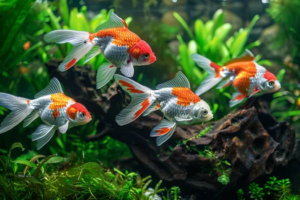
Common Diseases of Blood Parrot Fish and How to Treat Them
White spot, black spot, head-hole disease, and enteritis are all very common in blood parrot fish. To help owners respond better, here are treatments for each of these diseases.
How can you keep a chameleon well?
Provide a suitable habitat—temperature 25-30°C, humidity 50-70%, and a UVB light for calcium. Feed insects like mosquitoes, crickets and moths with added calcium and vitamin D. Give water via bowl or dripper. Clean the enclosure regularly, removing waste and refreshing sand, bowls and feeders to prevent bacteria.
How can you treat a Hwamei bird’s internal heat?
Internal heat may come from poor diet, dry air or virus. Adjust diet to vitamin A/C, water and protein—fresh fruit, vegetables and meat—avoiding greasy, spicy foods. Keep cage humidity and temperature right with a humidifier or water basin. If no improvement, use medicines like pangdahai or Niuhuang Jiedu pills.