Search Results
3206 results for “Temperature”

Why Is Your Turtle Vomiting?
Turtle vomiting can follow post-surgery weakness, big temperature swings, spoiled food, gut damage from overfeeding, or toxin ingestion. Fixes range from rest and warm water to antibiotics, probiotics, or induced vomiting for poisoning. This article covers the causes and treatments.

Symptoms and Prevention of Gastroenteritis in Rabbits
Rabbit gastroenteritis starts with poor appetite and mucus in the stool, then anorexia, watery foul diarrhea, and in late stages dehydration, toxin buildup, and even death. Treatment focuses on clearing the gut, rehydrating, and antibiotics; prevention is timed portions, fresh food, and a clean environment. This article details it.

Why Won’t a Turtle Eat?
A turtle may refuse food because the water is below 20°C, the food is spoiled or hard to reach, it is stressed in a new home, it is ill, or it ate indigestible food. Most cases are normal adjustment or temperature; illness needs treatment. This article lists the common reasons.

What to Do When a Turtle Is Constipated
Turtles constipate from low fiber, overfeeding, or cold season changes, showing no stool, poor appetite, and less activity; severe cases risk obstruction. Treatments: cooler water, pediatric enema, or edible oil; see a vet if these fail. This article explains how to tell and fix it.
How to Get a Turtle to Eat
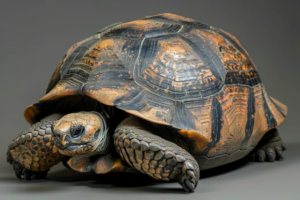
A turtle may refuse food because the water is below 15°C (it wants to hibernate), the water is below shell level (young turtles need water pressure to eat), it is bored of one food, or it is ill. Warm the water, raise the level, vary the diet, or treat illness. This article explains the four factors.
My dog just turned two months old; because of a tick bite it was shaved and given a medicated bath, then slept with the AC on. For three days it barely ate, only goat milk, but energy and stools were normal. On day five it ate, but in the afternoon spiked to 40.7C, and shots and medicine did not bring the fever down; it stayed 39.5-40. The dog is unvaccinated, no distemper, weight 0.95kg.
Persistent high fever needs prompt vet care; it may signal bacterial pneumonia, gut infection, blood parasites, distemper, or parvovirus. Non-viral cases are easier to treat. Fever is usually lowered by injection plus physical cooling while the vet finds the cause.
Why does my hamster tremble while sleeping?
Shaking during sleep may be from low temperature; keep the environment above 20 degrees Celsius. Fear or fright can also cause it, as can parasites or illness. If other abnormalities appear, get a diagnosis.
How do I know a dog has recovered from parvovirus?
Recovery signs include returning appetite and energy, normal stools, and stable temperature. Lab tests showing rising antibody levels confirm recovery. Watch for these improvements over time.
I had a cold today and then kissed my hamster; in the afternoon it kept pressing itself under the tunnel and making noises. At first I thought it was the wood shavings, changed to dust-free, and it made fewer noises but still does. Is this a cold or a respiratory problem?
Frequent noises can come from temperatures that are too hot or cold, or from fright, given a hamster's keen hearing. Cold symptoms include lethargy, low appetite, soft stools, and later sneezing or runny nose. If it does not improve, seek veterinary care, as severe cases can be fatal.

Why Your Arowana Keeps Getting Sick: Common Mistakes
If your arowana keeps getting sick, you may be falling short in a few key areas. Disease in arowana is driven by physical, chemical, biological, and human factors, and getting these right is the foundation of keeping your fish healthy.