Search Results
3205 results for “Temperature”
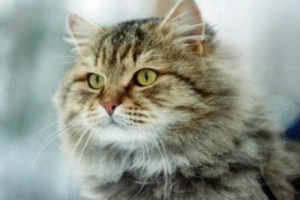
What to Do About Limb Paralysis in Cats
Feline limb paralysis is a chronic nerve disorder, usually from trauma, a crush injury, or a cold, damp environment, and most often affects both sides. Forelimb cases are typically radial-nerve palsy and hindlimb cases sciatic-nerve palsy, showing as dropped elbows or a dragging, wobbly gait; treatment with air and vitamin-B acupuncture at points such as Qiangfeng and Housanli often improves within one session and resolves in 3–10.
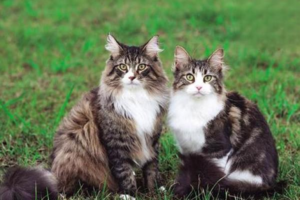
Causes and Treatment of Clear Mucus in Cat Stool
Clear mucus in a cat's stool can mean gut trouble, intestinal parasites, or panleukopenia, and ignoring it can lead to worse illness. Parasites from raw food and missed deworming need a dewormer or fecal test; diet-driven gastroenteritis calls for a short fast, then cat-specific anti-inflammatories and probiotics; and yellow-green vomit with repeated fever points to panleukopenia, which needs a vet at once.

Reading White Blood Cell Counts in Canine Parvovirus
In canine parvovirus the white-cell count tracks the stage and the outlook: a rising count with a regenerative left shift means the marrow is mounting a strong response and the prognosis is good, while a falling count — especially below 3.0×10⁹/L and still dropping — points to a poor prognosis. A normal or only slightly raised count, or one with no left shift, shows the marrow has met the body's demand and also bodes well.
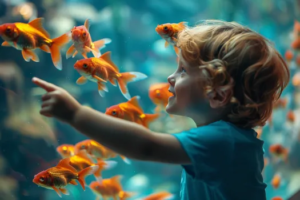
Why Is My Blood Parrot Cichlid Lethargic?
A blood parrot cichlid that stops swimming is usually reacting to unstable or low water temperature (keep it a steady 25–32°C, with water-change swings under 0.5°C), poor water quality, fright, or low oxygen — they need more air than most fish, so run an air pump 1–2 hours a day. Hold the temperature steady, filter and change water on a sensible schedule, keep the tank quiet, and treat parasites and bacteria regularly to keep the fish active.

What Is Canine Parvovirus
Canine parvovirus strikes dogs of any age but peaks in late autumn and summer; the enteric form brings sudden high fever, vomiting, and severe diarrhea in 2–6-month pups, while the myocardial form hits around 40-day puppies with sudden breathing trouble and collapse, often fatal within hours. Treatment protects the gut, supports the heart and fluids, and uses hyperimmune serum and antivirals early, with strict isolation and disinfection — and vaccination is the best defense.
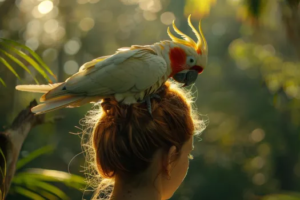
Can a Blood Parrot Cichlid Floating Upside Down Be Saved?
A blood parrot cichlid floating belly-up is a medical emergency, but it can often be saved if you act fast. The usual causes are oxygen deprivation, a digestive blockage, or swim bladder disorder — treat with immediate water changes and aeration, a brief fast at warmer water (around 30°C), or shallow-water therapy for bladder trouble.

Eight Key Care Points for Pet Parrots
Eight care points keep a pet parrot healthy: disinfect the cage and perches often and keep them dry, avoid dirty or unsuitable food, prepare the diet without oil or seasoning and cool cooked food to room temperature, wash fruit and vegetables in a salt-and-lemon soak, hold a steady aviary temperature, clip wings sensibly to prevent escape, guard against heat (over 37°C can be fatal), and train regular, timed feeding.

How Dogs ‘Hear’ Through Smell
Dogs lead with their nose — about 300 million scent receptors versus our roughly 500, and an olfactory membrane 30 times larger — so they read the world by smell, picking up fear and a racing heartbeat, telling a newcomer's age and origin at a sniff, and even alerting to epilepsy, blood-sugar swings, and cancers with over 90% accuracy. They also 'hear' our moods: the body-heat, heartbeat, and breath changes of an angry owner travel through the air and give the game away.
Best Ways to Treat Diarrhea in a Budgerigar
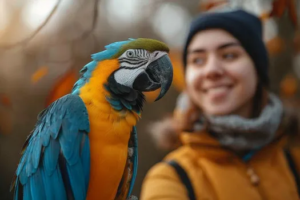
Diarrhea in budgerigars shows as watery, discolored droppings, a soiled vent, lethargy, and extra drinking — and can be fatal if ignored. Start with garlic water and warmth for a day or two, move to oxytetracycline if there's no improvement, and suspect chlamydia (psittacosis) when eye and nose discharge appear.

Do Cats Get Cold Outside in Winter?
Cats do feel the cold despite their thick coats, and once temperatures drop past what they can bear they get chilled and sick — so bring outdoor cats inside in winter. Raise food a little (they burn energy faster), keep them moving and sunny, dress them for outings, and shield pregnant cats and drafts to avoid winter colds and pneumonia.