Search Results
3206 results for “Temperature”
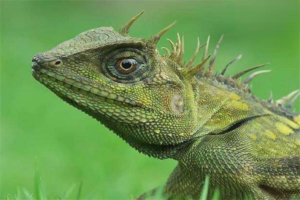
Why Won’t My Bearded Dragon Eat?
A bearded dragon may refuse food if the prey is too big or too small, if it's a picky eater, if it's unwell (enteritis or low enclosure temperature — they're cold-blooded and need ~30°C, 36-38°C by day), or if a dominant cage mate bullies it. Separate bullies and keep the temperature right.

Is a Shivering, Lethargic Parrot Just Cold?
A shivering, listless parrot is not always just cold — it may be frightened, chilled, fighting a cold, or suffering diarrhea. Warm the bird, offer pellets or tylosin for colds, and use gentamicin for diarrhea, but get a vet check first if unsure.

What’s Needed to Keep a Radiated Tortoise Outdoors
Hatchlings suit indoors; adults do better outside with much more space (at least 240×150 cm each). Best where the year-average temperature is ~18°C and never below 16°C. Build a small heated hut with UVB, tall smooth fencing with a locked mesh lid against predators, a planted sandy garden, and a shallow pool. Separate aggressive males.
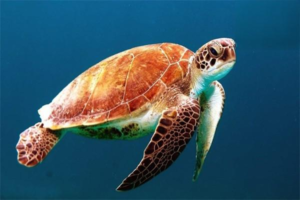
The Turtle Egg-Laying Process
Mature females lay eggs whether or not they mated, but unfertilized eggs won't hatch. Laying is seasonal: in China, May-September with a June-August peak; best at 25-32°C air / 28-30°C water, stopping above 35°C. Females mate after ~8 years; before laying they grow restless, dig, and smell stronger.

How to Keep a Radiated Tortoise Indoors
Radiated tortoises are popular but fragile as hatchlings. Indoors, use a 90×60×45 cm (or larger) enclosure, coconut-soil substrate, 60-70% humidity with an 80% hide, a shallow water dish, and a UVB/heat lamp with a temperature gradient (24-29°C day, ≥21°C night). Soak 2-4 times weekly. Hang lamps to avoid burns.
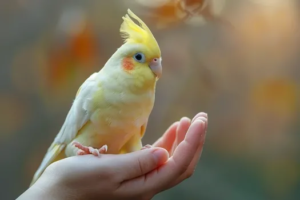
What Causes a Parrot to Shiver and What to Do
Parrot shivering usually means cold, fright, or illness such as a chill, enteritis, or diarrhea. Warm the bird and offer electrolytes for mild cases; for colds use sulfadiazine or yinqiao tablets, and for diarrhea try probiotics then oxytetracycline — see a vet if it persists.

Why Is My Bearded Dragon Having Diarrhea?
Lizard diarrhea is often from too much water in food (fruit/veg like strawberries, tomatoes, apples), mild indigestion (normal appetite), or enteritis (no eating, weak, dark chin — needs meds). Give electrolytes and raise temperature (38°C day, 20-30°C night), try reptile probiotics, and for suspected enteritis use an anti-diarrhea drug. Avoid moldy food and keep the enclosure clean.
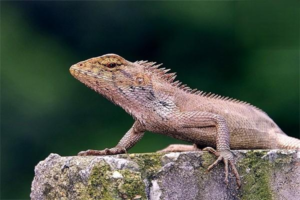
Foods Lizards Shouldn’t Eat Too Much Of
Lizards are omnivores but some foods harm them in quantity. Tannin-rich foods (spinach, banana) can clot protein and hurt digestion; oxalate foods (spinach, celery) block calcium and cause metabolic bone disease. Most lizards prefer meat (roaches, mealworms, earthworms); some eat plants or cactus. Feed young lizards twice daily; adults once a day or every two days; more in summer, less in cold months.

What to Do When a Parrot Shivers
A shivering parrot is usually reacting to cold, fright, or parasites. Keep the cage above 5°C and the temperature stable, calm the bird after shocks, and watch for parasites or other illness — seek a vet if trembling is severe or the bird stops eating.

Do Rabbits Need Deworming?
Yes — pet rabbits need regular deworming even though their high body temperature limits fleas and lice; poor hygiene can still bring mites. Start at 2 months: kits 2-6 months monthly, over 6 months every ~3 months, adults every 6-12 months. Dose carefully (most products are toxic), disinfect feces with lime milk, treat all rabbits together, and sanitize the cage with boiling water or sun.