Search Results
309 results for “Tear stains”
My cat has tearing, more discharge, and one red eye corner
A little eye discharge is normal and needs daily cleaning, but much discharge with a red corner is not; greasy food or low water causes 'heat' and excess discharge. Switch to light food and water, clean daily, and treat keratitis or entropion if present.
How to stop a Samoyed’s tearing?
Many causes - see a vet. If from heat, feed light natural kibble, more water/veggies, clean stains. If ingrown eyelashes, pluck or surgery. If eye/ear infection, treat. Blocked nasolacrimal duct needs flushing or intubation.
Tears a lot after every meal or exercise, and lots of eye discharge every day – at least wiped 2-3 times.
Treating tear stains starts with finding why the tearing happens. 1) Unbalanced diet high in oil, salt, and fat - switch to a low-allergy light prescription diet, more water, and vitamins. 2) Congenital blocked nasolacrimal duct - have a hospital test and possibly surgery, though it recurs.
Cat tearing, eyes look a bit red.
A little eye discharge is normal, usually diet-related - oily food causes heat and tear stains. If daily heavy discharge, wipe it and switch to a light, digestible diet with more water. Eye diseases like keratitis or conjunctivitis also cause it - treat the cause.
One of my cat’s eyes has a white film, the other won’t open, often tears, and the fur at the corner is gone, leaving a black layer.
The white film at one eye corner is the nictitating membrane (third eyelid), normal unless prolapsed or inflamed. The other eye's tearing has causes: 1) high oil/salt/fat diet causing heat and discharge; 2) congenital blocked nasolacrimal duct - surgery possible but recurs; 3) viral disease; 4) foreign-body irritation.

How to Treat a Blocked Tear Duct in Dogs
A blocked tear duct is common and mostly cosmetic, but needs care. At home, wipe the eye twice daily with weak warm saline, keep it clean, and warm-compress and massage the duct. Severe or stubborn cases need a vet for antibiotics, anti-inflammatory drops, or a flushing or stent procedure.
Is Your Dog Always Tearful? Watch Out for Ingrown Eyelashes
An ingrown eyelash (distichiasis) curves inward and constantly rubs the cornea and conjunctiva. It's common in flat-faced breeds (Pekingese, Pug, Bulldog), long-haired breeds (Maltese, Shih Tzu), and seniors, causing chronic tearing, tear stains, conjunctivitis, keratitis, and even corneal perforation and vision loss. A few lashes can be plucked; many need electrolysis, cryotherapy, or entropion surgery.

Why Does Your Persian Cat Keep Tearing Up
Persistent tearing in Persian (Exotic) cats can have several causes. Their short nasal passages and shallow eye sockets make mild tearing normal, but blocked tear ducts, structural gland issues, conjunctivitis, keratitis, injury, or foreign particles can all increase eye discharge. Diet also plays a role: salty food and low water intake lead to internal heat and heavy tear staining. If tearing continues or comes with redness, fever, poor appetite, vomiting, or diarrhea, see a veterinarian for diagnosis and treatment.
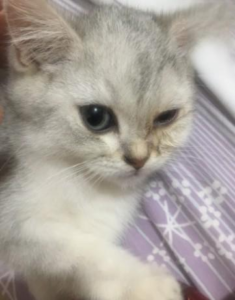
Cat Eye Swelling and Tearing: A Recovery Case
A cat with one swollen, tearing, discharging eye—but no sneezing or runny nose—most likely has a bacterial conjunctivitis rather than a viral one. Ingrown eyelashes or a foreign body can be the trigger. Oral amoxicillin plus antibiotic eye drops, an E-collar, and a dim, clean environment brought clear improvement in a few days. An ingrown lash, though, needs a vet to remove.
How do I treat a puppy with tearing eyes?
A puppy's tearing eyes can come from infection, a foreign object, a blocked tear duct, a breed trait, or ingrown eyelashes. Flat-faced breeds like the Pekingese and Shih Tzu are prone to epiphora and tear stains — just wipe discharge often. Rinse with saline or a pet eye wash; if it persists, see a vet.