Search Results
132 results for “Taurine”
Is shrimp good for cats?
Moderate shrimp is healthy: quality protein, vitamins, minerals, and taurine for vision. But overfeeding causes pickiness, indigestion, obesity; feed 1-2 times a week.
What are the benefits of fish oil for cats?
Fish oil supports skin and coat health, aids healing, adds shine, and benefits heart, brain, and eyes via unsaturated fats and taurine.
Can dogs eat cat treats (cat sticks)?
Dogs can eat cat sticks, but not often or in large amounts. Cat sticks are high in taurine, which dogs barely need; excess can build up and even cause taurine toxicity. Use dog treats instead.
Feeding Your Cat Chicken Liver? Watch Out for Vitamin A Toxicity
Vitamin A is vital for cats but fat-soluble, so excess is stored and builds up to toxic levels — usually from too much liver or stacked supplements. Chronic toxicity causes stiff gait, joint pain, dry skin, coat loss, and gut upset, and the bone damage can be permanent. Feed liver only as an occasional treat and rely on a balanced AAFCO/FEDIAF complete food.
What happens if a kitten eats adult cat food?
Kittens on adult food often get diarrhea or soft stool — their guts are fragile and still adapting, and adult food's higher protein is hard to digest. But a 'complete' (all-life-stages) food is fine for both. Use kitten-specific food or kitten pâté, which has the protein, trace elements and taurine a kitten needs and avoids tummy trouble.
How to Spot Low-Quality Cat Food at a Glance
So-called 'toxic' cat food is rarely actual poison but poor nutrition — vague meat sources, too much grain or legumes, and preservatives like BHA, BHT, and menadione that harm cats over time. Check the ingredient list and price (genuine food is never rock-bottom cheap), and always switch brands gradually over about a week.

The Benefits and Risks of Feeding Cats Liver
In moderation, liver supplies vitamin A, B vitamins, iron, protein, and taurine, boosts appetite and immunity, and helps prevent anemia — but too much causes vitamin A toxicity, calcium loss, obesity, and bleeding problems. Feed it cooked, at most once a week, and follow your vet's advice for sick cats.

What’s the Difference Between Cat Food and Dog Food?
Cat and dog foods differ in ingredients, nutrition, texture, and purpose. Cat food is richer in animal protein and contains taurine, which dogs don't need; feeding a cat dog food long-term causes malnutrition, poor coat, and taurine-deficiency heart and eye damage. Always feed species-appropriate food.
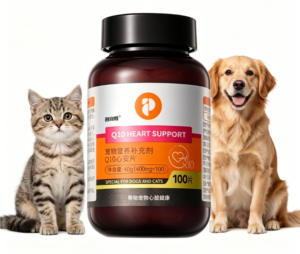
CoQ10 for Dogs and Cats: A Heart-Health Supplement Guide
CoQ10 is a key nutrient for heart-muscle cells and a staple for senior pets and breeds at risk of heart disease. Yet the market is messy—under-dosed, over-claimed products are common. This guide covers who benefits from CoQ10, what to look for on the label, why yeast-fermented source and combined antioxidants (including taurine for cats) matter, and the feeding rules and cautions every owner should know. CoQ10 supports care but never replaces prescribed heart medication.
CoQ10 for Cats: What to Know Before You Buy
Cats get heart disease too—especially Ragdolls, Maine Coons, and British Shorthairs, where genetics raise the risk—and a vet may suggest CoQ10 as supportive care. Because quality varies, owners who judge only by label strength often see no benefit. This guide explains why cats may need CoQ10, what a good feline formula contains (verified content, yeast-fermented source, taurine, and sensible antioxidants), and how to read labels without falling for marketing. CoQ10 supports heart care; it never replaces prescribed medication.