Search Results
83 results for “Tail language”
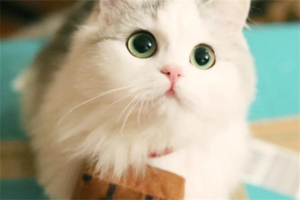
What Are the Signs of an Insecure Cat?
An insecure cat may hide, fear strangers, stay on high alert, scratch furniture, withdraw socially, or lose its appetite. When uneasy, a cat tries to disappear and lowers its profile, often looking panicked. If your cat seems insecure, find the cause, offer reassurance, and calm it to prevent stress.

How to Help Your Cat Feel More Secure
A cat's sense of security comes from a stable environment, positive social interaction, and the ability to cope with challenges. Building a predictable routine, earning its trust through gentle handling, and supporting its wellbeing will help a nervous cat relax and thrive.
Are cats afraid of dogs?
Cats are generally afraid of dogs. Dogs aren't natural enemies, but they don't share a language and dogs are much bigger, so cats fear them. Cats are solitary, dogs social — when a dog wags over to play, the cat may think it's picking a fight. But after living together a while they learn each other's habits and can relax and coexist.
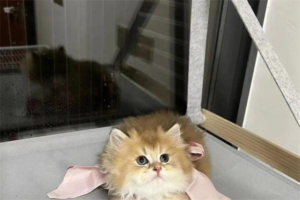
How Do Cats Make Friends with Each Other?
Cats are independent but still social; they befriend one another through body language and scent. Curious cats approach cautiously, exchange smells by touching noses and sniffing, then rub against each other to leave their scent. Once bonded, they groom and play together without harm.
6 Signs Your Dog Might Not Be the Brightest (and How to Tell Real From Fake)
Slower learning, friendliness toward strangers, failing to recognize you in new clothes, picking fights regardless of size, house-soiling past six months, and 'arguing' with its mirror can all suggest lower dog intelligence. But before labeling a dog 'dumb,' rule out breed stubbornness (Afghan Hound, Chow Chow), lack of early socialization, short attention span, or health issues like hypothyroidism and cognitive dysfunction.

How Do Dogs Make Friends?
Dogs make friends by reading each other's body language, vocalizations, and scents, and regular socialization supports their physical and mental health. Owners can help by providing safe, structured opportunities for positive interaction with other dogs.

How Cats Show Affection to Their Owners
Cats express affection in subtle ways — purring, following you, head-butting, slow blinking, and bringing 'gifts.' Learning this body language helps you respond with love and build a stronger, trusting bond.

What Your Cat’s Eyes Are Telling You
A cat's eyes reveal its mood: half-closed eyes mean relaxation, wide round eyes signal surprise (or stress if paired with flattened ears and a puffed tail), and a slow blink is a feline kiss. Looking away is a sign of trust, while dilated pupils show focus or fear.

Where Cats Don’t Like to Be Touched
Most cats dislike being touched on the belly, paw pads, tail, and ears — especially the belly, which protects vital organs and feels vulnerable. They generally enjoy the top of the head, chin, cheeks, back, and base of the tail. Always read your cat's body language and stop if it shows discomfort.
What Does It Mean When a Cat Stares at You?
A cat that stares may simply be curious, gathering information about your habits. If it brings a toy and stares, or jumps on your desk and paws your hand while you work, it likely wants play. But a fixed stare with dilated pupils, ears back, a tense body, and a flicking tail means it feels threatened and is on guard. Read the full body language — ears, tail, posture — and the situation to judge, then meet the need.