Search Results
579 results for “Summer Care”

How to Care for Your Dog in Autumn
Autumn's cool, dry, changeable weather feels great to us but asks for a few adjustments in dog care. Fatigue from summer, dropping temperatures, and dry air all affect a dog's body, coat, and digestion. A few simple habits around food, grooming, exercise, and disease prevention keep your dog comfortable through the season.

Common Skin Problems in Dogs During Summer
If your dog is scratching more than usual, the cause may be the skin itself - parasites, allergies or underlying disease. Summer brings a spike in canine skin conditions, so every owner should know the common ones. This guide lists allergic dermatitis, yeast infection, folliculitis, impetigo, seborrhea, ringworm, mange, fleas, ticks, lupus and more, with their hallmark signs. Most skin diseases develop over time, so early detection and prompt veterinary care keep them stable and curable - watch your dog's behavior and act on anything unusual.

Emergency Care for a Pet With Heatstroke
Dogs cool only through their paw pads and tongue, so a thick coat turns summer into a sweater; heat, humidity, no water, hard exercise, or even clothes and shoes can tip them into heatstroke. Know the signs, and if you cannot reach a clinic, cool the body safely while rushing for help. This guide covers causes, symptoms, and emergency steps.

Daily Care Tips for Exotic Shorthair Cats
Shedding comes from season change, poor nutrition (often human food lacking protein), or illness. Manage it with regular brushing, which also massages and aids circulation, and proper baths (every 5-7 days in summer, 7-10 in winter); over-bathing harms skin. A grooming glove builds bond and cleans fur.

What to Watch For When Caring for Rabbits in Summer
Hot, humid summer weather breeds bacteria and challenges rabbit health, so extra care is needed. To help your rabbit thrive, focus on cooling and sun protection, keep the hutch at a comfortable temperature with good airflow and less UV exposure to prevent heatstroke, adjust the diet with plenty of fresh water and food, and control pests so mosquitoes and flies don't plague your pet. This article walks through the key summer care measures every owner should follow.

Grooming and Coat Care for Your Cat
Shedding is normal—fur renews daily and surges with the seasons (long coat out, short coat in for summer; kept for winter). But shedding also rises from artificial temperature swings, poor diet (low protein/vitamins), skin damage (parasites, bad shampoo), hormonal imbalance after spay/stress, or old age. Improve coat quality with a clean, suitable environment, sunlight in short doses, and enough protein plus meat toppers. Groom by brushing out loose fur, massaging the skin, and a warm damp-towel wipe once a week to cut random shedding.
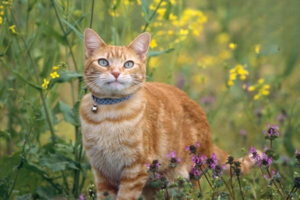
Everyday Flea Prevention and Care for Cat Households
Spring and summer are peak parasite season, and fleas are a common nuisance for cat owners. A cat that scratches constantly may have fleas, mites, allergies, or ringworm — confirm with a Wood's lamp, hair exam, or the classic 'damp tissue test' where flea dirt turns red. These tiny jumpers can produce 250,000 offspring a month, so prevention matters: vacuum cracks and gaps, comb with a flea comb twice weekly, hot-wash bedding, and keep the home dry (fleas like 18–27°C, ~75% humidity). If infected, use monthly topical prevention, treat inflamed skin, and watch for tapeworms passed via fleas.

Caring for Rabbits in Summer
Summer's heat makes rabbits harder to keep healthy, without care they risk heatstroke, nutritional disease, and infection, so managing nutrition is key. Offer cooling feeds like bitter melon or watermelon rind to ease heat stress and lift appetite. Probiotic supplements help prevent digestive illness, calm heat stress, and cut hut odor and respiratory risk. Although heat lowers intake, don't cut energy too far; add fat to keep energy steady. Above all, always provide free access to fresh water.

Keeping Your Dog Free of Skin Problems in Summer
Summer's heat and humidity breed bacteria and parasites, so skin trouble spikes. Bathe and dry the coat with a pet shampoo, avoid strong midday sun to prevent burns, and keep the living space clean and dry. Use a monthly topical preventive with selamectin or fipronil to block fleas, lice, mites and ticks, and feed vitamins and protein to lift immunity. See a vet for itching, hair loss or rashes.

How to Prevent Heatstroke in Hamsters During Summer
All hamsters hate heat, so in summer, without proper cooling, they can quickly suffer heatstroke. Early signs are frantic running, excitement, and jumping; as it worsens, tremors, dehydration, and coma follow, and death can come fast without prompt first aid. Move the cage to a cool, airy spot, give plenty of water, and act at the first sign by cooling the environment and offering electrolyte fluid. Prevention means ventilation, constant fresh water, cooling tiles, and light, hydrating foods like cucumber and watermelon.