Search Results
579 results for “Summer Care”
Is Your Cat More Sensitive to Cold or Heat? What Every Owner Should Know
A cat's normal body temperature is 37.5–39.2°C, and its limited sweat glands make it far better at handling cold than heat. Heat stress can set in above 38°C (panting, lethargy, drooling, even collapse), while most cats feel cold below 10°C — kittens, seniors, and short-haired breeds need extra warmth. Keep the home between 16–21°C and warm the bed in winter.

Dog Walking Tips and Etiquette
Walking your dog correctly keeps it healthy and strengthens your bond. Choose cool, quiet times and safe routes, use proper gear, respect other people and animals, match exercise to your dog's needs, and always clean up after it.
Top 5 Dog Breeds With the Worst Body Odor
Strong dog odor usually comes from two traits: many skin folds and a larger body. Wrinkly breeds like Pugs and Bulldogs top the list, while Poodles, Bichons, and Shibas stay fresh. Regular baths, ear cleaning, teeth brushing, and monthly gland expression keep any dog smelling clean.

Why Is Your Dog Peeing Frequently
Frequent urination in dogs can be perfectly normal or a sign of illness. Puppies, marking behavior, heat, hot weather, and old age often explain it, while urinary infections, diabetes, and endocrine disease call for a vet visit.

Why Does Your Dog Keep Licking the Fur on Its Leg?
Constant leg-licking can come from itchy skin — allergy, eczema, ringworm, or mange — or parasites like ticks and fleas. Anxiety, depression, or boredom can drive the habit, and joint problems (arthritis, luxating patella, sprain) cause discomfort the dog tries to soothe by licking. If it persists, see a vet to check for skin or joint disease.
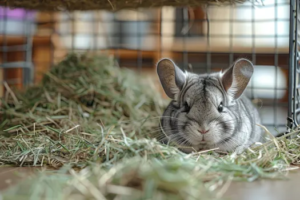
Hamster Heatstroke: First Aid
Hamsters are heat-sensitive and can die from heatstroke in high temperatures. Move a stricken hamster to a cool spot, wrap it in a damp (not ice-cold) cloth to cool it down, then offer saline or glucose once it recovers a little to restore energy.
What should I do if my dog won’t eat and seems listless?
A dog that won't eat and is listless may be ill, so check for fever, vomiting, or breathing trouble and visit a vet if needed. Heat, low appetite, or oral issues like ulcers can also be the cause; probiotics and oral care help.
Meet the Siamese Cat: A 3-Minute Guide
The Siamese is an ancient palace cat from 14th-century Thailand (then Siam), weighing 8–14 lb for males and 6–10 lb for females, with pointed colors like seal, blue, lilac, chocolate, red, and cream. Its signature trait is temperature-sensitive fur: tyrosinase works faster when cold, so winter deepens the coat and age darkens it. Siamese are dog-like — clingy, energetic, curious, and talkative — and adapt well, making them a good choice for first-time owners.

How Often Should You Change Hamster Bedding?
Change hamster shavings about once a week, every 3–4 days in hot, humid summer, and every 7–10 days in dry winter—or right away if they turn damp, smelly, or moldy. Always clean and dry the cage, pick season-appropriate bedding, and wash your hands to keep bacteria down.

Why Cats Suddenly Lose Their Appetite
A sudden loss of appetite can come from mild causes, weather, heat, stress, or fussy eating, or from illness such as mouth pain, digestive trouble, parasites, or systemic disease. Find the cause first: treat oral pain with pet anti-inflammatories and oral spray, settle the gut with probiotics, and deworm if parasites are to blame.