Search Results
579 results for “Summer Care”

Factors That Affect Baby Rabbit Survival Rates
The main factor in kit survival is the strength of the kits' own immunity, with poor care being a close second. This guide covers nest box setup, nursing, preventing cannibalism, and safe weaning to raise more healthy rabbits.

Why Dogs Get Skin Bumps and Pimples
Think only people get pimples? Dogs get them too! Dog pimples differ from ours—caused by a damp environment or disease. Take skin bumps seriously. Here is why dogs get them.

What to Do If Your Dog Gets Carsick
Many people do not realize dogs get carsick just like people. Symptoms include nausea, vomiting, drooling, and extreme restlessness. Here is what to do if your dog gets carsick.
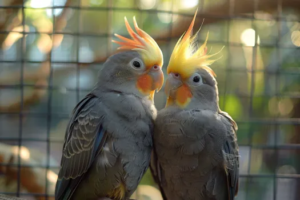
How to Trim a Pet Bird’s Wings
Trimming a pet bird's wing feathers limits flight so it can move safely in a small space without escaping, but improper cutting can remove flight ability entirely. Generally clip about three-quarters of the wing feathers, never cutting the skin. Proper technique, tools, and timing keep the bird safe and build trust.

How to Remove Strong Dog Odor from Your Home
Dog body odor, waste smell, and unwashed supplies cause home odor. Bathe and groom the dog regularly; clean and disinfect its belongings; ventilate; clear shed hair; train outdoor toileting. If accidents happen indoors, use apple cider vinegar or baking soda after cleaning.

Why Is a Kitten Drooling?
Kitten drooling can be normal (grooming, food stimulus, stress) or a disease sign (oral disease, heatstroke, respiratory infection, poisoning). Keep the environment calm to reduce stress; brush teeth regularly, feed a balanced diet, avoid toxic plants and chemicals, and see a vet if other symptoms appear.

Cat Heatstroke: Symptoms, First Aid, and Prevention
Feline heatstroke is essentially what we call overheating — it occurs when a cat stays in a hot, humid place and cannot shed excess body heat. Signs mirror human heatstroke: rising temperature, mouth breathing, fast heart rate, restlessness, and panting, progressing to neurological signs and death. Cats cannot cool themselves, so on hot days keep them indoors with good ventilation and avoid outdoor sun exposure.

Things to Know When Caring for a Chinchilla
Chinchillas have dense fur and hate heat; around 20°C (68°F) is their comfort zone, so owners must manage both warming and cooling. This article covers the key husbandry points—environment, cage, and diet—for keeping a chinchilla healthy.

Breeding Rabbits: Reproductive Period and Best Use Years
Quality breeding stock lifts litter rates and kit health. Rabbits breed 4–5 years but peak at 1–2; manage housing (raised, dry, clean), season care, and disease prevention (vaccines, coccidiosis meds, regular disinfection) to get the most from them.

Can Turtles Catch Colds, and What Are the Symptoms?
Turtles do get colds, usually from big temperature swings—runny nose, bubbles, watery eyes, low appetite, lethargy, and if untreated, pneumonia. Treat by isolation, warm water (30–32°C), and oxytetracycline or amoxicillin by severity; keep temperature stable to prevent.