Search Results
445 results for “Spoiled food”
Why Has My Cat Suddenly Stopped Eating Cat Food?
Sudden refusal of kibble is often pickiness from too many snacks, so the cat holds out for treats. Spoiled/moldy food (cats smell it instantly) or an abrupt food change (scares them, upsets stomach) also cause it. Illness—vomiting, diarrhea, runny nose, tearing—means see a vet.

Why Does My Cat Bury Its Food?
Cats bury food from an instinct to cache surplus provisions, or because they lack appetite, dislike the taste, or object to a moved bowl. They may also bury the owner's strong-smelling food to mask the scent and hide their trail, just as wild ancestors did to evade predators.
Cat Food Ingredients to Avoid, No Matter How Cheap
Not all cat food is created equal, and the ingredient list is the single most reliable way to judge quality. Some products hide preservatives, flavor enhancers, and fillers that can harm your cat over time — from potential carcinogens like BHA, BHT, ethoxyquin, and TBHQ to appetite stimulants such as MSG and pyrophosphate. Other risky additives include propylene glycol, nitrites, synthetic vitamin K3, and thickening gums, while artificial colors and sweeteners add sugar and nothing of value. Because cats are obligate carnivores, diets overloaded with corn, wheat, or soy not only lack nutrition but may trigger allergies and even aflatoxin exposure. Learning to read the label helps you protect your cat from low-grade food, no matter how attractive the price.

Food Poisoning in Dogs and Cats
Food poisoning occurs when pets eat spoiled food whose bacteria have produced toxins. Signs are depression, vomiting, diarrhoea and a swollen abdomen, and severe cases can die within half a day without prompt care.

What to Do When a Food Change Gives Your Cat Diarrhea
Switching cat food too quickly is a common cause of diarrhea. Rule out a bad batch, feed age-appropriate food—no dry kibble for kittens under three months—and use a probiotic during the transition; most mild cases settle with gentle gut support.
What to Do When Switching Dog Food Causes Diarrhea
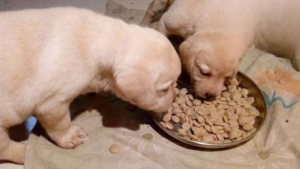
If a food change triggers diarrhea, stop the switch immediately — most cases come from an abrupt transition rather than the new food itself. A 7-day mix-in transition lets the gut adjust gradually and prevents the upset.
What to Do When Your Cat Has Indigestion
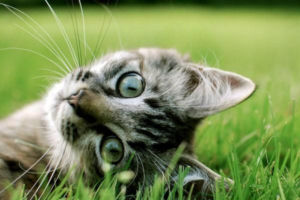
Feline indigestion is a mild gastrointestinal inflammation that disrupts motility, digestion, and absorption; left untreated it hinders growth and can be fatal. Acute cases follow spoiled food and cause violent vomiting and diarrhea, while chronic cases follow overfeeding and cause milder signs, each addressed with a specific herbal formula.

Why Do Cats Get Gastroenteritis?
Cat gastroenteritis is the most common pet illness, usually from spoiled food, a kitten's shallow stomach overloaded with food, lactose intolerance, sudden weather shifts, or poisoning. Treat with a short fast to heal the gut lining plus a cat-specific antibiotic, and head to a vet if there's no improvement — never use human stomach medicine.
Why Is Your Cat Having Diarrhea and How to Treat It
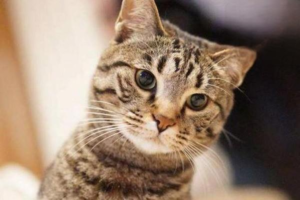
Before reaching for medicine, rule out simple causes — a dirty water bowl, spoiled food, a chilly room (keep it near 26°C), a too-fast food switch, a grain allergy, or stress. If diarrhea persists despite a cat probiotic, suspect parasites and deworm; if it worsens within a day or two with vomiting, it could be something serious like panleukopenia and needs a vet immediately.

Treating Vomiting in Pets by Stage
Pet vomiting splits into stages: early on it is simple indigestion from spoiled food, fast eating, or a diet change, with normal energy; left alone it becomes gastritis (yellow or foamy vomit, then dullness and weight loss); severe cases are gastroenteritis with blood, weakness, and diarrhea. Treatment moves from gentle stomachics and probiotics to metoclopramide and ethamsylate for vomiting and bleeding, plus rehydration.