Search Results
445 results for “Spoiled food”
What If Your Cat Eats Only Treat Sticks and Refuses Kibble?
A cat that eats only treat sticks (cat paste) and skips kibble risks nutritional imbalance, weak immunity, and obesity, since these snacks are low in complete nutrition and high in fat. Wean gradually: mix 30% treat stick into kibble days 1–3, 15% days 4–7, 5% days 8–10, then kibble alone. Add play and puzzle feeders to build appetite. If the refusal is sudden with lethargy or weight loss, see a vet for stomatitis or illness.

Why Is My Dog Refusing to Eat?
A dog may stop eating because of illness, unsuitable or suddenly changed food, weather or environment shifts, stress, old age, vaccine or medication effects, or heat cycles. Treat disease-related refusal with a vet visit, and address stress-related refusal with comfort and routine.

How to Train a Teddy Bear Dog to Get Along with Other Dogs?
Teaching a Teddy Bear dog to socialize with other dogs starts with early, positive socialization and gradually introducing it to calm, similar-tempered dogs while you supervise and reward friendly behavior. Avoid resource competition, watch your own body language on the leash, and bring in a professional trainer if progress stalls.

Why Cats Suddenly Lose Their Appetite
A sudden loss of appetite can come from mild causes, weather, heat, stress, or fussy eating, or from illness such as mouth pain, digestive trouble, parasites, or systemic disease. Find the cause first: treat oral pain with pet anti-inflammatories and oral spray, settle the gut with probiotics, and deworm if parasites are to blame.
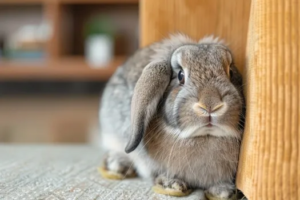
Feeding Fruits and Vegetables to Rabbits: What to Know
Fruits and vegetables add useful nutrients and fiber to a rabbit's diet, but not all are safe, and too much causes diarrhea or obesity. Avoid onion, leek, garlic, and chives, herbs like basil and rosemary, and citrus, grapes and raisins, cherries, and persimmons. Hay should be the staple; treats of produce should be only 10-15% of the daily diet. Introduce new foods slowly, wash them well, remove pits, and clear away any leftovers so they do not spoil and upset the gut.
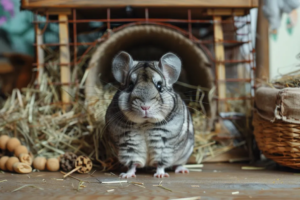
Why Is My Chinchilla Peeing Outside the Litter Box?
Chinchillas may urinate in the wrong places for several reasons—bad habits, low mood, estrus, territorial marking, or an underlying urinary infection. Each cause needs a different response. The key first step is to clean any accident thoroughly so the scent doesn't train your pet to reuse the spot. Feeding on a fixed schedule keeps a hungry or unhappy chinchilla calm, while separating cages and considering neutering curbs marking during heat. If urination becomes frequent or the urine looks dark, a vet check rules out infection.

Symptoms and Treatment of One-Eye Cold in Parrots
One-eye cold is a common contagious eye condition in parrots, marked by swollen conjunctiva, watery discharge, lethargy, reduced appetite, and weakness, with respiratory signs in severe cases. If you notice these symptoms, take them seriously and treat promptly. Care begins with isolating the sick bird and disinfecting the cage, then gently cleaning the eye and applying bird-specific drops such as bird-specific eye drops or human erythromycin ointment—treating both eyes even if only one is infected. Serious cases need antibiotics under a vet's guidance. Daily hygiene, clean food and water, and regular check-ups are the best prevention.

What Is Canine Botulism
Canine botulism is an acute, often fatal poisoning that occurs when a dog eats the toxin produced by Clostridium botulinum - usually in rotting carcasses or contaminated food and water. It mostly strikes in summer, with signs appearing just hours later. The classic picture is a progressive, symmetrical paralysis that creeps from the hind legs forward while the dog stays alert with a normal temperature; severe cases end in breathing failure. Diagnosis depends on finding the toxin in food, tissue, or blood, and treatment combines antitoxin with washing out the gut. The simplest defense is never feeding spoiled meat and boiling feed before use.

Daily Hygiene and Disease Prevention for Dogs
Every disease has a cause, and good daily management can remove many of those causes before they harm your dog. The principle of prevention over treatment is central to responsible dog keeping. Food safety, clean living quarters, and a tidy environment are the three pillars that lower the cost of illness.

What to Do If Your Turtle Eats Only Meat and Rejects Pellets
A turtle that refuses pellets for meat usually has a taste preference or a digestion issue, but long-term meat eating risks gut inflammation, pickiness, malnutrition, and fatty liver. First check that the pellets are fresh and clean, or try a different brand, shape, or flavor—always soak pellets in water so the turtle can swallow. You can also change the routine: more swimming time and sunlight boost appetite. The firm fix is 'starvation training'—offer only pellets, no meat, until hunger wins. If nothing works, or you're unsure the turtle needs food, consult a veterinarian for a tailored plan.