Search Results
445 results for “Spoiled food”

Why Is My Dog Not Eating?
A dog that stops eating may be reacting to heat, spoiled kibble, mood, parasites, or illness. Keep its space cool and bowls clean, give more companionship and tasty toppers, stay on top of deworming, and see a vet if vomiting or diarrhea joins the refusal.
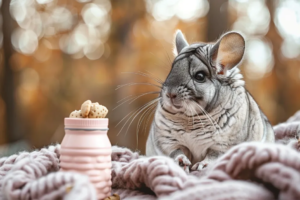
Can Guinea Pigs Live with Chinchillas?
No — guinea pigs and chinchillas should not share a cage. Their temperaments, diets, cage needs, and nutritional requirements differ, and an active chinchilla can injure a fragile guinea pig. House them separately for both animals' safety and health.

What to Do About a Cat’s Fishy, Foul Breath?
Fishy foul breath may come from tartar, mouth ulcers, or digestive issues. Understand the cause before acting. Our team explains the causes and solutions.

Symptoms and Treatment of Indigestion in Dogs
Dog indigestion usually comes from improper feeding. Signs include vomiting and diarrhea, abdominal pain with dehydration, and—if gastroenteritis is the cause—a fever. Treat with a 12-hour fast plus pet probiotics, feed on a regular schedule in small meals, and see a vet if it has not improved in 2–3 days.

What Are the Most Common Turtle Diseases?
Turtles are hardy, but they still get sick, especially with poor water and feeding. The most common illnesses are colds, enteritis, mycosis, and soft-shell disease, each with distinct signs and treatments ranging from antibiotics to diet fixes.

Why Is My Cat Vomiting Yellow Fluid and How to Treat It
Cats vomit yellow fluid due to hairballs, diet indiscretion, gastritis, or viral disease (panleukopenia, coronavirus). Treatment matches the cause: hairball paste, short fasting, probiotics, or urgent vet care for viral infection.

Symptoms, Prevention, and Treatment of Turtle Enteritis
Turtle enteritis is best prevented—clean enclosures, good water quality, and sensible feeding greatly lower the outbreak rate. Early signs are lethargy, poor appetite, and misshapen or discolored stools; advanced cases show sunken eyes and dry skin. Control relies on sanitation, water quality, proper feeding, isolation, and herbal or berberine injections.

Why a Chinchilla Stops Eating and Drinking, and What to Do
A chinchilla that won't eat or drink may be overheated, constipated, picky, fed bad food, have overgrown teeth, or have a cold. Match the fix to the cause.

How to Care for a Chinchilla
Chinchillas are relatively easy to keep, but feeding differs by life stage. Here is how to feed kits and adults, plus key cautions on diet and housing.

What Causes Chinchilla Enteritis?
Enteritis is a leading cause of chinchilla death, usually from unsuitable food. Types include viral, fungal, bacterial, parasitic, dietary, wind-cold, and antibiotic-induced, each needing different treatment.