Search Results
195 results for “Shedding”
In which months is a cat’s shedding season?
Spring (March to May) and autumn (September to November), varying by climate. Cats shed to adapt to temperature; heavy shedding is normal then. Brush often and give hairball paste to avoid hairballs.
When is a dog’s shedding season?
Dogs usually shed in spring (March-April) and autumn (September-October). During these times brush and clean up loose fur daily to stop the dog swallowing too much and getting hairballs. Heavy shedding then is normal, but heavy shedding outside the season likely signals a health problem, often skin disease — see a vet. Keep the diet light, avoid greasy, salty food to prevent abnormal shedding.
Why is my dog shedding skin and fur on its nose and body, and what medicine helps?
This is likely a fungal or mange (mite) skin infection, often from a damp unclean home, vitamin deficiency, or missed flea/tick prevention. If you can't see a vet, try veterinary B-complex orally plus a skin spray; bathe with a medicated wash and do external deworming after 3 days. Use an Elizabethan collar.
When Is a Cat’s Shedding Season?
Cats shed mainly in spring and autumn—roughly March–May and September–November. Kittens replace their baby coat at 4–6 months, then shed heavily each spring/autumn to adjust insulation. Shedding is much heavier then but normal. To prevent hairballs, give hairball paste and brush daily.
Spring Shedding and Heat Management in Cats
Spring brings shedding and heat cycles. Control loose fur with pet shampoo, regular brushing, low-salt beauty-coat food, and a calm mood; keep skin healthy with sun and exercise. For heat, a queen in season eats less and calls for toms, so feed well, confine her, and strictly prevent escape, especially before six months.
Why Is Your Cat Shedding?
Shedding is often normal: kittens lose soft baby fur around 4–8 months, and all cats do a seasonal coat change in spring (March–May) and autumn (September–November). But it can also signal trouble—external parasites (mange mites, fleas) cause redness, itching and hair loss; poor nutrition or too much salt weakens the coat. Rule out illness, then manage loose hair with a vacuum and a de-shedding tool. Never over-salt the food, and keep protein and vitamins adequate.
Dealing With Heavy Spring Shedding
In the shedding season cats are walking dandelions as they swap coats for the new climate. Fight it four ways: brush daily with a multi-tooth pin brush (gentle, so the cat learns to love it); bathe monthly with cat-specific shampoo and dry thoroughly; feed a balanced diet with skin-support nutrients like omega-3/6; and use a hairball gel (a gut lubricant, not a dissolver) instead of inducing vomit with cat grass, which can inflame the esophagus and trigger pancreatitis.
Helping Your Cat Through Shedding Season
As temperatures rise, cats shed heavily and fur flies everywhere—a seasonal battle every owner faces. Shedding is natural, but shaving the cat is a bad idea (it risks skin disease, chills, and ugly regrowth). Expect more hairball vomiting, and fight back with three tools: a good brush to cut daily loose fur, a lint remover (brush for furniture, roller for clothes), and a sweeper (robot, vacuum, or damp mop) for floors. A little extra hairball paste in season helps too.
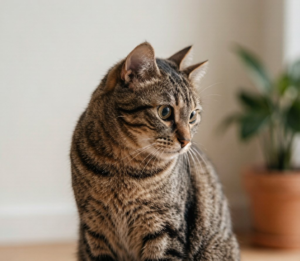
White Fuzz on Your Turtle’s Neck: Shedding or Water Mold?
White fuzz on a turtle can be normal shedding or a sign of water mold disease. If the fuzz has a clear texture with no soft rot, it is likely shedding—just give more sunlight. If fuzz appears on multiple areas and looks rotting, it is probably water mold and the turtle should be isolated and treated. The root cause is usually overcrowding and polluted water; prevent it with good nutrition, wound care, and regular water changes.
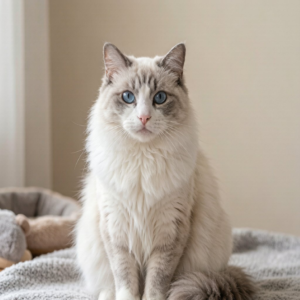
How to Reduce Heavy Shedding in a Ragdoll Cat
A Ragdoll's heavy shedding can stem from seasonal change, poor diet, weak care, stress or an underlying health issue. Brush regularly to stop mats, bathe on a sensible schedule with a gentle cat shampoo, and avoid salty or greasy food while adding omega-3 and vitamins for skin and coat. Keep the home calm and quiet, and if shedding stays severe, have a vet rule out skin disease, allergies, parasites or hormonal problems before treating.