Search Results
36 results for “Senior bone loss”

Feeding Your Cat at Every Life Stage
A cat's diet must shift as it grows, from milk-softened kitten food through high-protein junior meals to fixed adult portions and easy senior diets. Special phases like neutering, pregnancy, and recovery have their own needs. This guide maps food, toppers, and supplements to each age so your cat gets the right nutrition.

Signs Your Cat Is Getting Older
Cats typically live around 15 years and are considered seniors at roughly seven or eight. As they age you may notice lower energy and longer sleep, a stronger dislike of cold, and a poorer appetite. Dental problems such as loose or missing teeth make eating harder, while slower movement and delayed reactions show declining mobility. Whitening fur around the muzzle and cloudy, dull eyes are also common. Recognizing these changes early lets you adjust daily care so your cat stays comfortable and healthy through its golden years.
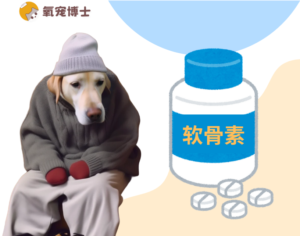
What Is Chondroitin for Dogs, and Who Needs It?
Chondroitin, or chondroitin sulfate, is a natural compound in cartilage that feeds joint cells, locks in joint fluid, and calms inflammation. Healthy young dogs get enough from food, but seniors, large breeds, dogs with joint-prone genetics, the obese, and hard-working dogs benefit from supplements—ideally paired with glucosamine and omega-3. It supports, not replaces, veterinary care for real joint pain.

Why Does Your Dog Sit Down After a Few Steps? It Could Signal Joint or Heart Trouble
A dog that keeps sitting mid-walk may just be lazy—or it may be sending a health alarm. Tell the difference by its mood and other signs: a bright, tail-wagging sit is usually fine, while a stiff, head-down, hard-to-rise sit means discomfort. Causes range from joint disease and paw injuries to heart trouble, anemia, or nerve problems, and even fear. Matching the behavior to the context tells you when a vet visit is urgent.

Multiple Myeloma in Dogs and Cats
Multiple myeloma is a malignant plasma-cell tumor of the bone marrow that overproduces immunoglobulin and is rare in dogs and cats. Signs include lameness, bone pain, anemia, bleeding, and weakness, with diagnosis by X-rays, bloodwork, and marrow sampling. Treatment is chemotherapy plus infection control.

How to Choose Cat Food
Every new owner has struggled with choosing cat food - worrying about ingredients, toxic food, harm to the cat. My advice: spend within your means.
- « Previous
- 1
- 2
- 3
- 4