Search Results
279 results for “REM sleep”
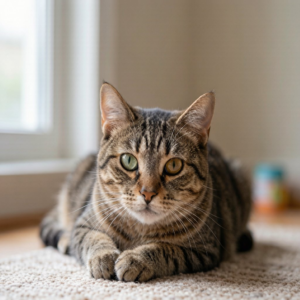
Is It Normal for Cats to Sleep With Their Eyes Open?
A cat sleeping with eyes open is usually normal and tied to its sleep style. In light sleep, cats stay alert with eyes partly open so they can react and escape danger fast; deep sleep closes the eyes. Some cats simply prefer partially open eyes. But eye disease can also cause it, so check for tears or redness.
What to Do When a Kitten Won’t Sleep in Its Bed?
A kitten that refuses its own bed and insists on sleeping with you is usually driven by a need for security, warmth, or companionship. To gently change the habit, set up a roomy, cozy bed with a soft cushion—and, for a clingy kitten, tuck in a piece of your worn clothing so it can smell you. Place the bed somewhere quiet, warm, and dim, and spend calming time playing and grooming before sleep to help it settle. Build independence gradually: move the bed a little farther from your own over time, and keep night-time interaction low. Patience and consistency turn the cat bed into a place your kitten chooses on its own.
Why Can’t My Dog Fall Asleep?
A dog that can't sleep is usually dealing with physical discomfort, emotions, or habits. Pain or unease—made worse by a room that is too hot or cold, noisy, or with a poor bed—keeps a dog awake, so give a comfy, quiet spot and a soft pad. Anxiety, stress, or fear also block sleep; calm and reassure a tense dog, keep its environment free of frights, and add play and exercise to burn off stress. Habits matter too: a heavy late dinner causes night waking, so feed a moderate evening meal and keep a regular bedtime to set its internal clock. If sleeplessness is frequent, see a vet to rule out pain, breathing trouble, or frequent urination.
Is It Unhealthy to Let Your Dog Sleep in Your Bed?
Letting a dog sleep next to you can hurt your sleep and health. Dogs hear and smell keenly and wake easily at small lights, sounds, or odors, then pace or bark and disturb you. The bacteria they carry can irritate your airways or skin, constant closeness can make the dog overly dependent and anxious, and there is a real risk of accidentally rolling onto or stepping on it. When possible, keep separate sleeping areas; otherwise vaccinate, deworm, bathe, and clean regularly, and move a sick dog elsewhere.
Why Does My Cat Sleep with Its Eyes Open?
Seeing a cat doze with its eyes open is more common than you'd think, and it ties into how cats see, hunt, and bond. A cat's eyes capture fast movement through a special retinal structure, so even half-open it stays aware of its surroundings and can react instantly. In light sleep, the brain rests but the eye muscles stay on duty—a hunter's vigilance that lets a cat wake at the slightest sound. It may also be watching for you, feeling uneasy in a noisy room, or staying alert near feeding time. Occasionally, an eye injury or foreign object prevents normal closing. Open-eyed sleeping is normal in light sleep, but if an eye problem is the cause, see a vet.
Why Is My Dog So Sleepy in Summer?
Many dogs seem lazier and sleep far more once summer arrives. In most cases this is a normal response to heat—dogs cool themselves mainly by panting and through their paw pads, so they naturally slow down to avoid overheating. However, persistent lethargy paired with panting, a rising temperature, or appetite loss can signal heatstroke or illness. Keep your dog cool, hydrated, and walk them during cooler hours to stay safe.
How Much Do Dogs Sleep?
Owners sometimes worry a dog sleeps too long, but sleep is as vital for dogs as for us - short sleep makes them listless by day. Need varies by age: newborns sleep about 22 hours, leaving only meal times awake; around one year they sleep about 14 hours as they grow and play; and senior dogs (six-seven years is middle-aged for a dog) do not sleep less - they need plenty to slow aging. Most of that time is light sleep, and a dog stirring at small noises is perfectly normal, not a problem.
Why Dogs Twitch and Jerk in Their Sleep
Dogs sleep a lot - puppies up to 22 hours, adults 10-18. Sleep has light and deep phases: in light sleep a dog lies with its head on its paws, one ear to the ground, easily startled; in deep sleep it relaxes, twitches its legs, flops on its back and may whimper. The famous 'playing dead' jerk is just a startle reflex - a light-sleeping dog checks the environment at any noise, while deep sleep is broken only by strangers or loud sounds, and waking it then earns its annoyance. Chronic stress from illness blocks restful sleep and causes behavior problems, and long-term sleep loss weakens immunity. Never prank a sleeping dog.
How to Train a Dog to Sleep in Its Bed
Many dogs resist the bed at first, but training matters: it gives them quiet rest, security, and protects their health. Start by placing the bed in a quiet, warm spot and letting the dog sniff and inspect it, with favorite toys or a towel inside to lure it in. Reward entry with treats or toys to build a positive link, then gradually lengthen time in bed. Keep a consistent sleep schedule by putting the dog to bed at the same time daily. If it still refuses, the bed may smell wrong or be too small or hard, so adjust it. Never punish; that only builds negative feelings.

How to Train a Cat to Sleep in Its Own Bed
To stop a cat sleeping on your bed, give it a comfortable cat bed placed in a quiet, hidden spot, not a busy hallway. During training, keep your bedroom door closed to block access. To make the bed appealing, put the cat's favorite toys and familiar-scented items inside, or use treats to guide it there. Start young if possible, and be consistent: when the cat jumps on the bed, say no and return it to its bed. Once it adapts, clean and disinfect the bed regularly, since a cat's keen nose will reject it if it smells wrong or breeds bacteria.