Search Results
173 results for “Puppy supplement”
At what age do small mixed-breed puppies have their biggest growth spurt?
Small mixed-breed dogs usually start their rapid growth spurt around 4 months and are basically full-grown by 8 months, with a few continuing to about 1 year. Growing pups need extra nutrition and daily exercise.

Why Puppies Get a Double Row of Teeth
Around eight to nine months a puppy's baby teeth should give way to clean adult teeth, but sometimes a permanent tooth grows in while the baby tooth refuses to fall, leaving two rows jammed together. This 'double dentition' hurts more than looks: it misaligns the bite and traps food and bacteria that cause bad breath and tartar. Small breeds like Poodles, Pomeranians, Chihuahuas, Yorkies and Schnauzers are most at risk. The fix ranges from hard kibble and calcium to chew toys, and only veterinary extraction after 18 months if baby teeth persist.
Why a Dog’s Nose Changes Color
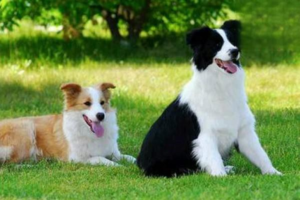
A healthy dog's nose is usually cool and moist, and a warm, dry nose alone doesn't prove illness—waking, hard exercise, heat/cold exposure, or old age do the same. Real fading comes from: age (pink as a pup darkens, then lightens in seniors as tyrosinase and melanin drop); illness or heat (returns after); season—'snow nose' in winter, returning with warmth; trauma (pink while healing); poor nutrition (low melanin); genetics/Dudley nose (permanent, harmless); allergy (contact dermatitis from plastics/metal—use glass/stainless); bacteria (swelling, crusts—vet); and vitiligo (immune, white patches, harmless). Protect a pink nose from sun; see a vet for bloody, foul discharge with weakness.
Physiological Traits of Newborn Puppies
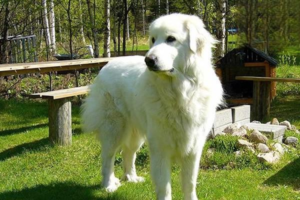
Newborn puppies are fragile and depend entirely on their mother. They can't stand at birth, regulate their own temperature, or control elimination, and their digestive and immune systems are still developing — they get early immunity only from the mother's colostrum, which drops sharply after 25 days. Good daily care means a warm, quiet nest, supplemental warming if the mother is absent, scheduled nursing with small frequent milk feeds, and daily checks of elimination. Watch for diarrhea and keep the umbilical area clean and disinfected with iodine to prevent infection.

Treating Hookworm Infection in Dogs
Hookworm disease in dogs is caused by the dog hookworm (Ancylostoma) and the narrow-head hookworm (Uncinaria). These small parasites latch onto the intestinal wall and feed on blood; severe infection causes pale mucous membranes, weight loss, a rough coat, poor appetite, vomiting, and alternating diarrhea and constipation with bloody, tarry, foul stools. In puppies, skin invasion causes inflammation, and infection in 3-week-old pups can cause fatal anemia. Treatment starts with deworming—an injectable antiparasitic against hookworms, with pyrantel or levamisole also used for killing—and severe cases need supportive care such as iron supplements or a transfusion for anemia.

Dystocia in Dogs and Cats
Dystocia is difficult or impossible natural delivery, often when a female cannot pass a puppy or kitten after about one hour of strong labor. Small breeds and calcium-deficient mothers are at higher risk and need timely surgical assistance and supportive care.
When do tiny Teddy (Poodle) puppies start walking?
Tiny Teddy puppies usually walk around 20 days old. Here is the milestone timeline and when to worry.

What Is Canine Parvovirus?
Canine parvovirus (CPV) is a single-stranded DNA virus that hits unvaccinated dogs of any age; CPV-2 is the most virulent and a leading cause of severe puppy enteritis. It spreads by fecal-oral contact, resists the environment for months to years, and causes vomiting, bloody diarrhea, and dehydration. Vaccination is key.

What to Do When Your Pug Is Shedding
A Pug should not shed much normally, so sudden hair loss usually means a skin problem, poor nutrition, a coat change, the season, or too much salt. Walk through these causes to tell them apart, and ask a vet online if anything is unclear.

What to Know About Feeding a Labrador Retriever
Labradors thrive on age-appropriate food, a steady feeding schedule, and balanced nutrition. Portion control, clean water, and avoiding hard exercise around mealtimes protect them from digestive trouble and joint strain.