Search Results
90 results for “Puppy Care”

What to Do When a Hair Gets in Your Puppy’s Eye
Loose hairs, especially in long-coated breeds, can drift into a puppy's eye and cause irritation or injury if removed carelessly. Use a clean cotton swab rather than your fingers, keep the fur around the eyes trimmed, and bathe the dog regularly to limit the problem.

What to Do When a Puppy Won’t Eat
A healthy dog can skip food only so long; refusal usually means pickiness, illness, or gastritis. Fix it with set meal times, more exercise, and regular deworming — and see a vet if fever, vomiting, or diarrhea appear.
Can a Young Puppy Have Rabies?
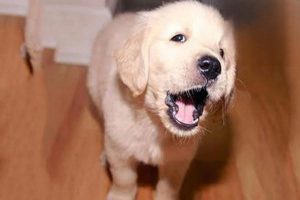
Puppies under three months carry their mother's antibodies and are unlikely to have rabies, but after that, unvaccinated pups can. Annual shots and avoiding unknown animals are the safeguard.

Puppy Tracheitis and Bronchitis: Symptoms and Treatment
Dog tracheitis and bronchitis come from repeated viral or bacterial infection plus cold, smoke, and dust irritation, but with good home care and the right medication the recovery rate tops 95%. Watch for cough, fever, and breathing trouble.

What to Do When a Puppy Has Pus-Like Eye Discharge
Pus-like eye discharge in a puppy can mean a bacterial eye infection, dehydration from gut or systemic illness, or simply a diet too rich and salty. Match the cause to the treatment: gentle food and vitamins for dietary heat, antibiotic eye drops for infection, and prompt vet care for underlying disease or eyelid problems.

How to Treat Fungal Skin Infection in a Puppy
Fungal skin infection in puppies is common, slow to clear, and easy to confuse with other conditions — poor nutrition, a dirty environment, or careless grooming all raise the risk. Signs include circular hair loss, scaly patches, pimples, and relentless scratching. Treat with medicated baths, an antifungal spray, and a repair ointment, while boosting nutrition and keeping the environment clean.

What Bloody Diarrhea in a Puppy Means
Blood in a puppy's stool is a clear warning sign that something is wrong, from a serious viral infection like parvovirus to parasites, a gut injury, or a simple chill. Watching the stool and the puppy's energy level tells you whether home care is enough or a clinic visit is urgent.

What to Do When a Teddy Puppy Has Diarrhea
Teddy puppies have delicate stomachs, and diarrhea usually follows a scrap of human food or an overly rich diet. Pull back to a short fast, rebuild the gut with bland meals and probiotics, and pick an easily digested food fed in small portions.

How to Treat a Puppy With a Cold
A puppy cold is not the same as a human one, and treatment depends on how far it has progressed — from mild sneezing to a possible viral infection. Most mild cases settle with rest and vet-approved care, but vomiting, diarrhea, and fever together are a red flag that needs a clinic immediately.

What to Do About a Puppy’s Eye Discharge from Dietary Heat
Too much meat or organ meat unbalances a puppy's diet and leads to eye discharge. Keep the eyes clean, switch to plainer food with vegetables and more water, use a soothing eye drop if discharge changes, and make sure the pup rests.