Search Results
99 results for “Positive reward”

Why Does My Dog Eat Everything?
Dogs that eat anything may simply be naturally food-driven, but constant scavenging or swallowing non-food objects points to a problem such as pica or internal parasites. Addressing it requires regular exercise, a consistent feeding routine, refusal training, and scheduled deworming. A balanced diet that supplies essential micronutrients also helps prevent nutrient-deficiency pica.

How to Handle a Bad-Tempered Cat
A cat's bad temper may be innate or caused by poor handling or stress. Build trust through a safe environment, a stable routine, and positive training that redirects its attention, and the behavior will improve.
How do you break a dog’s habit of sleeping on the sofa?
Make the dog's own bed comfy with toys and treats so it chooses it. Lift it off the sofa and use the 'down' command with rewards to retrain.

How to Train Your Dog to Follow the Rules in Public Places
Teaching a dog to behave in public protects both the public and the dog itself. Build reliable obedience to basic commands, socialize gradually, practice leash manners, proof against distractions, and reward calm behavior—always with patience rather than punishment.
How should I discipline an overly mischievous kitten?
Mischievous kittens can be managed with appropriate punishment, verbal correction and positive guidance. Redirect unwanted behavior and reward good choices, using scolding or crate time for repeated offenses, but never hit hard.
Cat Hates Water and Won’t Bathe? A 3-Step Desensitization Plan
Cats aren't really afraid of water — they're afraid of the loss of control when forced into a strange situation and soaked. Bad past experiences make it worse. Desensitize gradually: let them explore the bathroom, get used to water sounds and tools, then simulate the bath, and keep indoor cats to a bath only every 3–6 months.

Why Cat Cafe Cats Love Strangers but Yours Hiss at You
Cat-cafe cats are usually hand-picked gentle pedigrees (Ragdoll, British/S American Shorthair, Scottish Fold) that pass strict screening, early socialization (brushing, belly touches, being held), desensitization to noise, and environment design with hideouts and treat rewards. Your cat can get tamer too — with patience, socialization, and never forcing contact.
45 Essential Tips Every First-Time Dog Owner Should Know
Bringing a dog home is a decade-plus commitment. This guide packs 45 must-know basics for new owners — from pre-arrival prep, feeding, and vaccines to grooming, deworming, and behavior training — so you can keep your dog healthy and avoid the common mistakes that cause illness, fear, or bad habits.
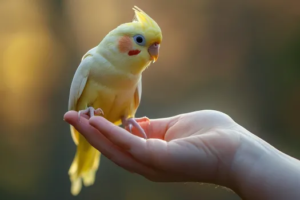
What Is a Cockatiel’s Personality Like?
Cockatiels are smart, playful, and affectionate, but also highly sensitive to routine and can turn moody or nippy when stressed. They thrive on steady schedules, daily interaction, and positive training.

How to Tame a Chinese Li Hua Cat’s Wild Nature
Taming a Li Hua cat starts with a safe, enclosed space to ease its wariness, then building trust through calm presence, timed feeding, and gentle play. Use positive reinforcement to teach basic commands, and give it regular exercise to satisfy its hunting drive.