Search Results
4 results for “Porphyrin”
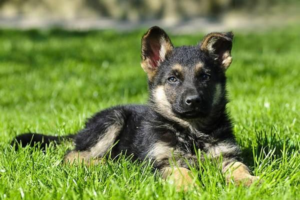
How to Prevent and Clean Dog Tear Stains
Tear stains form when excess tears overflow the nasolacrimal duct, and the iron in porphyrin turns them rusty red. Short-faced and light-coated breeds are most prone; manage them through grooming, diet, and treating the root cause like infection or allergy.

About Feline Epiphora (Excessive Tearing)
Epiphora is abnormal tear overflow, caused either by blocked drainage through the nasolacrimal system or by excessive tear production beyond what drainage can handle.
Can Dog Food Cause Tear Stains? How Diet Affects Them
Some dogs' tear stains are diet-related, but not always the food's fault. Food can worsen stains through allergies, excess salt or additives, or mineral imbalance. If stains worsen after switching food, change it; if diet isn't the cause, see a vet to rule out blocked tear ducts or other issues.
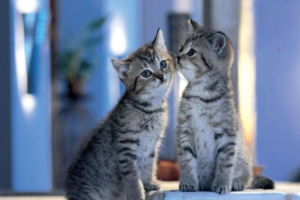
Dealing with Cat Tear Stains
Tear overflow (epiphora) happens when tears overproduce or the nasolacrimal duct blocks, spilling onto the fur. The reddish-brown stain comes from porphyrin—an iron waste in tears that oxidizes in air and sunlight. Common causes: too much salt (human food, salty kibble), 'heat', ear infections that stimulate tearing, duct blockage, entropion (inward lashes), dacryoadenitis, and feline herpes (tears plus nasal discharge—watch unvaccinated cats). Genetics play a role too. Cut salty food and see a vet to find the true cause.