Search Results
34 results for “Pleural fluid”
My cat is blocked, had high potassium, fluids lowered it, but X-ray found pleural effusion and now it breathes fast with irregular heartbeat
Once a cat is blocked, catheterize promptly; with high potassium, catheterize and fluid simultaneously. Pleural effusion raises treatment risk - go to a large, proper hospital. Effusion may signal heart disease, so get an echo; give oxygen for post-tap rapid breathing.
What are the symptoms of fluid buildup in a cat’s chest (pleural effusion)?
Early signs of pleural effusion in cats usually include lethargy, an enlarged chest, and rapid breathing. If left untreated, the cat may develop breathing difficulties, cyanosis of the mucous membranes, and nasal discharge, which can be fatal in severe cases.
My cat had a check 20 days ago for inactivity and panting; heart ultrasound showed thick heart walls; biochemistry showed slight inflammation; the vet gave heart medicine, 7 days of pimobendan and 5 days of an antibiotic, much improved, so I stopped; since yesterday it is lethargic again and panting worse; recheck diagnosed pleurisy with pleural effusion and thick bloody fluid; now on subcutaneous injections, observing — please advise, I fear losing it
This is likely pleural effusion, pyothorax, and pleurisy from heart insufficiency (right-sided congestive failure or pericardial disease raising hydrostatic pressure and capillary leakage). Heart disease needs professional long-term care; the vet may give intensive care and oxygen, and if needed drain the chest and place a chest tube with daily lavage, plus anti-infection, diuretics, and nutrition. Follow the vet's systematic plan.

Causes and Treatment of Pleural Effusion in Cats
Pleural effusion in cats is abnormal fluid in the chest, caused by heart disease, tumors, trauma, organ failure, or infection. Signs include lethargy, cough, open-mouth breathing, and difficulty breathing. Treatment targets the underlying cause — heart medicine, antibiotics, or tumor therapy.

Hydrothorax (Pleural Effusion) in Dogs and Cats: Symptoms, Treatment, and Prevention
Hydrothorax is a non-inflammatory fluid buildup in the chest that compresses the lungs and causes breathing difficulty. It usually signals heart disease or another systemic problem, and is treated by draining the fluid and managing the cause.
Why Is Your Cat Breathing So Fast?
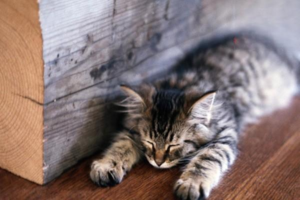
A normal cat breathes 30–40 times a minute. Fast breathing is harmless after exercise or in heat, but if it happens at rest it can point to pneumonia, heart disease such as hypertrophic cardiomyopathy, or pleural fluid — usually with lethargy and lost appetite. Have a vet run blood, heart, and chest X-ray checks to confirm.
Symptoms since yesterday: loss of appetite, can’t sleep and just sits panting, fast heartbeat and rapid breathing, sluggish movement, lethargy. But bowel movements are normal, no diarrhea, no vomiting. What disease is this?
The loss of appetite, rapid breathing, fast heartbeat, and lethargy may be from heart-lung problems like pulmonary edema, pleural fluid, or heart disease. See a vet promptly; the symptoms are serious and carry a suffocation risk if untreated.
Cat has been sick a month, no improvement; X-ray shows an enlarged heart and pericardial effusion — what medicine?
The X-ray shows a unclear heart outline and lung compression by pleural fluid, indicating effusion, but pericardial effusion can't be confirmed by X-ray alone — it suggests possible heart failure/myocarditis. Confirm with cardiac ultrasound; if breathing distress, give oxygen and drain fluid. Treat the underlying cause.
FIP: Most Obvious Symptoms and Treatment
FIP is among the scariest cat diseases; once caught, the cure rate is under 5%, with no specific drug. Most vets can only use supportive care to prolong life, and some even suggest euthanasia when the cat is in extreme pain. What kind of virus is this, and what can we do to prevent it?
Can these test results indicate feline infectious peritonitis (FIP)?
A coronavirus-positive effusion, low albumin, high globulin, and an A/G ratio below 0.6 strongly suggest FIP. Follow your vet's advice. FIP is serious; wet FIP causes fluid buildup, dry FIP attacks the nerves. GS-441524 is the most effective treatment drug.