Search Results
185 results for “Pet Digestive Health”
How can you tell a cat is normal and healthy?
A healthy cat has bright, clean eyes without tear stains, a slightly moist nose without discharge, and smooth coat without hair loss or redness. It is lively and curious; lethargy signals illness. A healthy cat eats well, and its stool is cylindrical, moderately firm, and brown-yellow. Soft or poorly formed stool suggests digestive trouble.
What should you pay attention to when feeding a pet rabbit?
When feeding a pet rabbit, provide enough fresh grass, hay, or rabbit pellets as the staple, plus moderate vegetables and fruit like carrot and apple (avoid overly watery fruit). Rabbits need clean drinking water and a clean, well-ventilated environment to stay healthy.
What Pets Eat Mealworms?
Hamsters, guinea pigs, chinchillas, rabbits, and some pet birds can eat mealworms, but not too many, to avoid nutritional imbalance or gut burden. Mealworms are high-protein, low-fat pet food.
How to feed fish less but keep them healthy?
Fish digest and excrete quickly, so feed once daily or about 5 times a week to 80% full. Overfeeding fouls water and burdens digestion; good water boosts appetite.
Is Too Much Fat in Your Cat’s Diet Slowly Harming It? Health Risks to Watch
Excess dietary fat overloads a cat's pancreas and can trigger pancreatitis, while chronic overfeeding drives obesity and its downstream risks: diabetes, joint and heart strain, and lower-urinary disease. Sudden anorexia can also push fat to the liver and cause fatty liver disease, and too much fat makes the skin oily, leading to stud tail, black chin, and seborrheic dermatitis. Aim for quality and moderation, not zero fat.
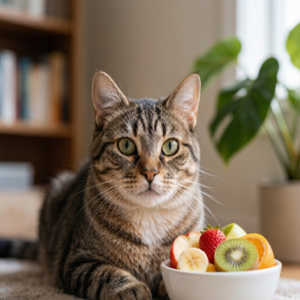
Which Fruits Are Safe and Healthy for Cats?
In moderation, fruits like watermelon, papaya, cantaloupe, apple, kiwi, strawberry, blueberry, and banana can benefit cats by adding vitamins, fiber, and water that aid digestion and help cats who drink little avoid urinary issues. But cats are carnivores whose core nutrition comes from meat protein, so keep fruit minimal to avoid soft stools or diarrhea. Always remove peel and seeds, and never offer toxic fruits such as grapes, raisins, persimmon, lemon, cherry, or avocado.
What Foods Can Harm Your Hamster’s Health?
Not every food that is safe for people is safe for hamsters. Chocolate, caffeine, fatty or fried foods, sugary and salty items, and anything containing alcohol or artificial sweeteners can cause digestive trouble, obesity, poisoning, or even death. Certain fruits and vegetables, such as citrus, garlic, and onion, can also trigger poisoning or stomach irritation, while too much high-fat food may lead to obesity, liver disease, and heart problems. Hamsters need a balanced diet, and a single, repetitive food source can cause malnutrition. Learning which foods to avoid, and how to build a healthy daily menu, helps keep your small pet safe and thriving.
What to Do When Your Guinea Pig Has Digestive Issues
Guinea pigs have delicate digestive systems, so diet mistakes easily lead to indigestion marked by reduced appetite, weight loss, diarrhea or constipation, bloating, and sometimes vomiting. When symptoms appear, the first step is to adjust the diet: feed a balanced mix, avoid overfeeding hard-to-digest foods like excessive vegetables and fruit, and keep everything fresh. Daily exercise for one to two hours supports gut movement, while a stable, low-stress home environment protects digestion. Adding pet probiotics or prebiotics helps rebalance the gut flora and restore normal function. If symptoms persist, a veterinary visit is essential to rule out gastritis, parasites, or infection. With attentive diet and care, most guinea pigs recover comfortably.
My one-month-old Malinois had deworming yesterday and lost its appetite the next day — why?
Reduced appetite after internal deworming is normal; the medication irritates the gut and may cause mild vomiting, diarrhea, or appetite loss that usually passes in 1–2 days. If symptoms persist, rule out allergy or other illness and see a vet.

Can Pets Eat Beets? Benefits and Safety Tips
Beets are a low-calorie root vegetable that can be a healthy occasional treat for dogs and cats. Learn the potential benefits — fiber, nitrates, betalains — and the precautions to feed them safely.