Search Results
32 results for “Pasteurellosis”
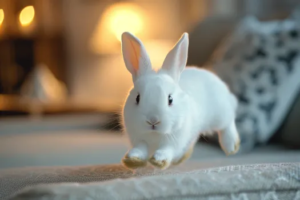
Caring for a Rabbit During Weaning
Weaning is a critical stage in a rabbit's development, and proper post-weaning care directly affects growth. Key measures include daily exercise with sunlight, adequate water, a small salt supplement, careful controlled feeding, and early disease prevention against pasteurellosis and coccidiosis.
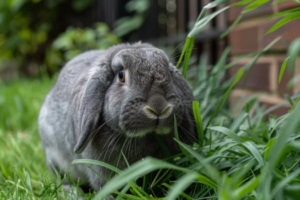
Rabbit Respiratory Inflammation
Respiratory inflammation hits any age in any season and worsens in damp weather, but caught early it's minor. This guide covers causes, signs, and the rinse-and-antibiotic treatment.

Bacterial Infections in Dogs and Cats: Symptoms and Medications
Bacterial infections in dogs and cats range from leptospirosis and Lyme disease to E. coli, brucellosis, pasteurellosis, staph, and salmonella. This guide summarizes each disease's signs and the drugs and prevention that matter most.

Why Female Rabbits Struggle to Conceive
Many factors make conception difficult for does: underdeveloped reproductive organs, reproductive disease, poor management, or dead sperm in the buck. This article details the main reasons.

Two Serious and Common Rabbit Diseases
Rabbit owners should know how to prevent and recognize viral hemorrhagic disease and pasteurellosis — two widespread, often fatal rabbit illnesses. This guide covers their signs, vaccines, and treatment regimens.

Breeding Rabbits: Reproductive Period and Best Use Years
Quality breeding stock lifts litter rates and kit health. Rabbits breed 4–5 years but peak at 1–2; manage housing (raised, dry, clean), season care, and disease prevention (vaccines, coccidiosis meds, regular disinfection) to get the most from them.

How to Fatten Up Rabbits (Finishing for Market)
Finishing rabbits for market matters because heavier, stronger rabbits fetch better prices. This guide covers grouping, environment control, straight-line finishing, feed choices, disease prevention, and knowing when to ship.
My rabbit was bought online; couldn’t learn the litter box, and now after half a year (about 7 months old) it follows the chicks my mom bought and sleeps in the chicken coop with them. What’s going on?
The rabbit may like the warm coop and treat chicks as companions or mates (if in heat). Don't let it near chickens — risk of fights, stress-induced heart death, cholera/pasteurellosis from droppings, and coccidiosis. Isolate it away from the coop.
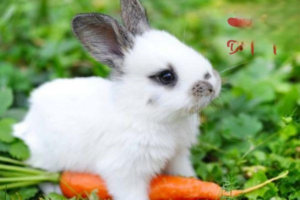
Common Diseases That Affect Rabbits
Rabbits are fragile and prone to a few serious diseases: rabbit viral hemorrhagic disease (near-100% fatal, often sudden death), pasteurellosis (fever, runny nose), coccidiosis (gut/liver parasite, high death rate), and colibacillosis (E. coli, fatal diarrhea). This article summarizes each and urges early care.
My rabbit has been trembling since yesterday, low energy, though appetite is okay, and feels warm. It normally loves to run around but these two days is unusually inactive and behaves oddly. But its droppings are normal.
A rabbit can tremble for many reasons - fright, nervousness, cold or hot weather, a chill or cold, or illness causing pain or fever. In summer, if kept in hot outdoor conditions it may breathe rapidly and shake; it is recommended to keep the rabbit in a comfortably temperature-controlled environment and observe. Given your description of trembling together with a warm body surface and lowered spirits, illness is quite likely; take its temperature, and above 39.5 C indicates fever. Such diseases can be hard to spot, so a vet visit is advised to rule out infectious disease such as rabbit pasteurellosis, an acute febrile septicemic illness that causes fever and trembling.
- « Previous
- 1
- 2
- 3
- 4
- Next »