Search Results
119 results for “Parrot Health”
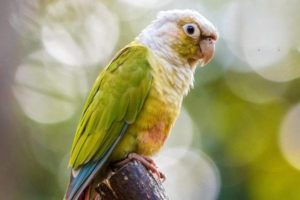
What to Do When a Parrot Is Egg-Bound?
Egg-binding is not rare, even in previously healthy layers. Handle it promptly or the parrot may die. Our team shares solutions.
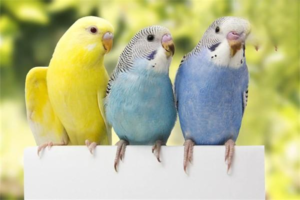
What Nutrients Do Parrots Need?
Parrots need ample nutrition to survive and breed—protein, fat, vitamins, carbs, minerals. Only with enough can they meet survival, growth, and breeding needs. Our team details the required nutrients and their roles.
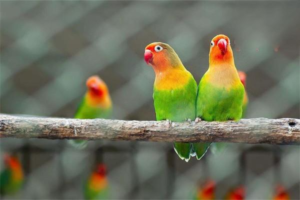
Things New Parrot Owners Should Note!
Parrots are easy—they eat little, need no walks, and chat or sing. More people choose them, but beginners make mistakes from inexperience. Our team shares notes for new owners.

Why Is My Parrot Losing Feathers or Shedding Its Beak?
Feathers drop most of the year and peak in autumn - that is normal. Bare patches, blood, or plucking point to depression or skin disease, and a flaking beak is just normal wear. Read the signs.
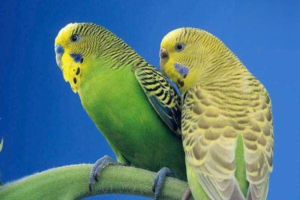
Why Is a Parrot’s Beak Too Long and What to Do?
A parrot's beak keeps growing, so it needs to wear it down; if too long it badly affects eating. Offer abrasive foods like cuttlebone and chew sticks. Our team explains solutions.
How to Keep a Parrot Fish at Its Reddest
To keep a parrot fish vivid red: varied pigmented feed, low density, warm slightly acidic water, 2-3 hours of light, and a dark tank background.

Why Is Your Blood Parrot Lying on the Tank Bottom?
A blood parrot resting on the tank floor can be normal (just napping), but it can also signal saprolegniasis or swim-bladder disorder. Rule out disease by checking water quality and behavior; treat fungus with isolation and salt baths, and swim-bladder issues with warmer water and regular changes.

How to Treat Saprolegniasis (Fungus) in Blood Parrot Fish
Saprolegniasis (also called cotton fungus) is a common skin disease in blood parrot fish, possible year-round. It starts from wounds or poor water quality that lets fungus take hold, and shows as white cotton-like growth. Isolate the sick fish, disinfect the tank, and treat with salt baths.

What to Do When a Parrot Has Crop Stasis, and Can It Digest on Its Own?
Parrots digest slowly and crop stasis is common; it generally will not resolve on its own—especially in chicks, whose digestion is weaker. Left untreated it causes vomiting and death. Treatment means withholding food and water, giving yeast tablets or dissolved digestive enzymes, keeping the bird warm, and, for severe cases, suctioning the crop with a tube—plus vet care if it does not improve.

How Light Affects Parrots
Light drives a parrot's health and breeding: it supports vitamin D, metabolism, and immunity, and longer days trigger breeding. Give direct (not through-glass) sunlight or a full-spectrum lamp, aiming for 10 hours daily and over 15 to boost reproduction.