Search Results
772 results for “Parasite check”

How to Bathe and Deworm Your Cat
Regular deworming protects both your cat and your home. Plan on an internal dewormer every three months and an external one every month, and always bathe your cat before applying a topical product so the treatment can work.

Cat Has Smelly Yellow Diarrhea but Still Acts Normal
Smelly yellow diarrhea with normal energy usually points to diet—spoiled food, too-hard kibble, or toxins. Stress, overfeeding and chills also trigger it. Fast half a day, use a probiotic and keep the cat warm; persistent or toxic cases need a vet.

What to Use for a Kitten’s Skin Problem
Kittens get skin disease often; first identify whether it's fungal or parasitic, then treat it specifically. Fungus shows as circular bald red rings, parasites as scabs and red dots. Clip, disinfect and apply an antifungal spray and ointment, then deworm once healed.
I noticed these red bumps on my Poodle while playing — what are they, and should I treat them?
Red bumps on a Poodle are often parasite bites, treatable with an external parasite treatment. They can also come from allergies or heat, so if you cannot tell the cause, a vet check is the safe route.

What to Do When Your Cat Has Watery Diarrhea
Watery diarrhea in cats can signal anything from routine enteritis to serious feline panleukopenia, and the right treatment depends on the underlying cause. Bloody stool, vomiting, fever or weakness means urgent veterinary care. Supportive care at home helps only once the cause is identified.
Why has the skin above my dog’s nose turned red?
Redness above the nose is often a skin condition — a fungal infection or parasite bites — or simply a mosquito or insect bite. Check for rash, scabs, hair loss, flaking, red spots, or pyoderma; if present, it is a skin issue treatable with a vet-recommended topical ointment. If none and it was just a bug bite, it should clear in a couple of days.
My Toy Poodle keeps scratching with its paws and rubbing against the wall — what’s going on?
Constant scratching can be a skin condition or just a dirty, unbathed coat. Check for scabs, red patches, hair loss, and dandruff; if present, a vet-recommended topical skin ointment treats it. If not, a medicated, parasite-control shampoo and a vet-recommended external parasite treatment usually resolve it.
My dog has a lump on its neck — should I do something, or just wait for it to heal?
A hard neck lump is often a parasite bite or allergy. Squeeze it to check for discharge — if present, the spot is infected and needs the material expressed. If the dog won't let you touch it, wait two days; if it doesn't subside, see a vet.

What to Do When Your Cat Sneezes Blood
Blood in a cat's sneeze points to parasites or feline rhinotracheitis (cat flu) — both need a vet check. Deworm for parasites; for rhinotracheitis, treat the virus with eye drops and vet-prescribed medication plus immune support.
Why Your Dog’s Legs Are Itchy with Bumps
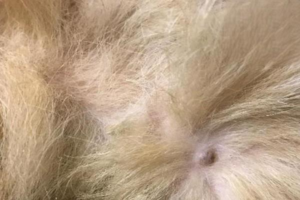
Itchy bumps on the legs often point to a parasitic skin disease, usually mites, and can spread over the whole body. Clip the fur, treat with antifungal spray and ointment, add vitamin B, then follow up with external parasite control.